
 GAOERJI STEEL


Search
Why Steel Structure Construction Is More Preferred
In fact, it is clear that steel structure is nothing more than the perfect combination of structural integrity, construction operation efficiency and environmental protection. From a purely engineering and mechanical point of view, steel has an unusually high strength-to-weight ratio, which not only gives us great freedom in large-span design, but also because it directly reduces the dead load of the building, which inherently ensures better Seismic performance. Moreover, the current construction method has changed long ago. The entire industry is shifting to prefabricated steel structures (PEB) and factory production, which directly cuts down the construction period and on-site labor costs. If you combine this fast-splicing construction model with 100 percent recyclable steel, high tensile strength, and very low long-term maintenance costs, the results are obvious-whether it’s a commercial building, industrial storage, or high-rise building, steel is indeed the most cost-effective, durable, and future-ready material.
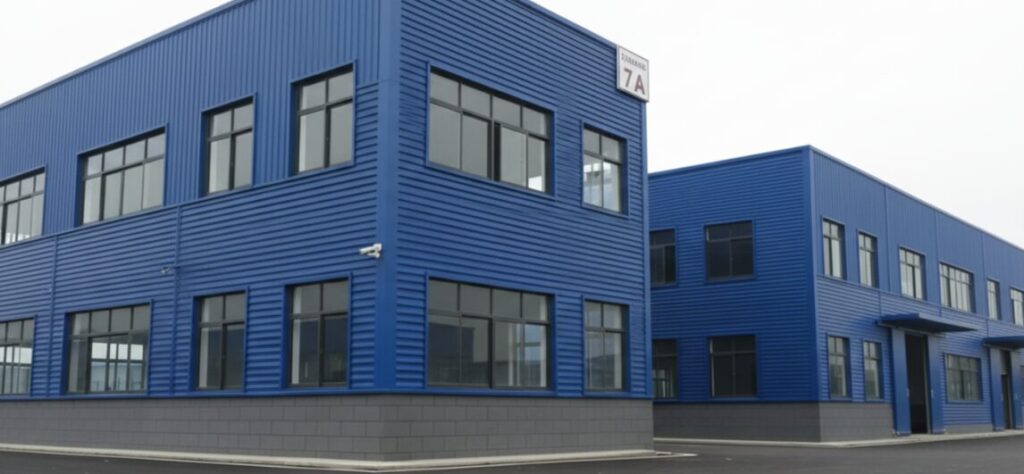
Integrity Of Steel Structure
To analyze why people prefer steel structures, we must first look at its basic mechanics. The core driving force for establishing steel dominance is the ultra-high “strength-to-weight ratio” I just mentioned .Compared with other traditional building materials, steel can carry far more than their load with much lighter weight. This special mechanical property directly translates into two major advantages in our architectural and structural design:
The flexibility of the super-span design:
Because the steel has extremely high tensile strength and can withstand huge loads, there is no need to engage in those bulky support columns. When we design, we can easily achieve a large span of no column space. If you look at those industrial warehouses and large commercial complexes, what Party A wants most is an unobstructed interior space, which is just right for the appetite.
Excellent seismic performance:
Every time you do seismic checking, the dead weight of the building (that is, the dead load of the structure itself) is a hassle, which directly determines the response of the building to the earthquake. Because of the high strength-to-weight ratio of the steel structure, the overall dead load is greatly reduced, and the inertial force generated during an earthquake is proportionally smaller. In addition, the steel has high tensile strength, and it can be bent and deformed without direct fracture when stressed. This ductility enables the structure to have a performance guarantee when an earthquake occurs.
Factory Prefabrication And PEB Mode
Another key reason why steel structures are popular is that they completely subvert the project cycle and site efficiency. Now the construction industry has basically turned to prefabricated buildings (PEB) and off-site manufacturing, and the whole workflow is very smooth. Steel structural components are produced with high precision in environmentally controllable processing plants, and once transported to the site, they can be lifted and installed directly. The advantages of this model are too obvious:
The construction period is frantically compressed:
Steel Structure Workshop
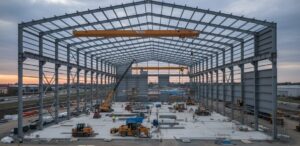
Steel Structure Workshops offer versatile designs. Clear Span ensures unobstructed space, while Centre and Intermediate Columns provide economical solutions for wide spans.
Bridge/Steel Structure Bridgeipsum
Steel Structure Bridges utilize high strength-to-weight ratios to achieve long spans where intermediate supports are difficult.Their versatility makes them essential for critical infrastructure connectivity.
Steel Structure Buildings
Steel Structure Buildings feature versatile designs to meet diverse needs. Clear Span offers open space, while Centre and Intermediate Columns increase economy for large spans. Multi Gable accommodates complex widths.
the rapid assembly characteristic of PEB mode means that the time for the whole building to rise from the ground is only a fraction of the traditional construction method. Workers only need to take accurate drawings and bolt or weld the components on site.
On-site labor costs have dropped sharply:
the heavy manufacturing links have been completed in the factory, and only quick assembly is left on site, so the project manager does not need to leave so many workers on site, and the on-site time is also greatly shortened. Now that labor is so expensive, the sharp reduction in working hours has directly saved a lot of real money for developers.
Cost Performance And Durability
The rapid construction and manual streamlining in the early stage are actually just appetizers for the economic advantages of steel structures. If the timeline is lengthened and the full life cycle of a commercial building, large warehouse or high-rise building is evaluated, steel structure is definitely the most cost-effective and leather choice. Steel this thing is born extremely strong, late maintenance costs are very low. Its high tensile strength ensures that the building framework will not be significantly degraded, warped or weakened even after a long period of time. For those who invest in high-rise and super-large industrial facilities, this means that the maintenance budget is extremely low and completely predictable throughout the life of the building, which is a very safe long-term investment.
Environmental Sustainability: 100 Percent Recyclable
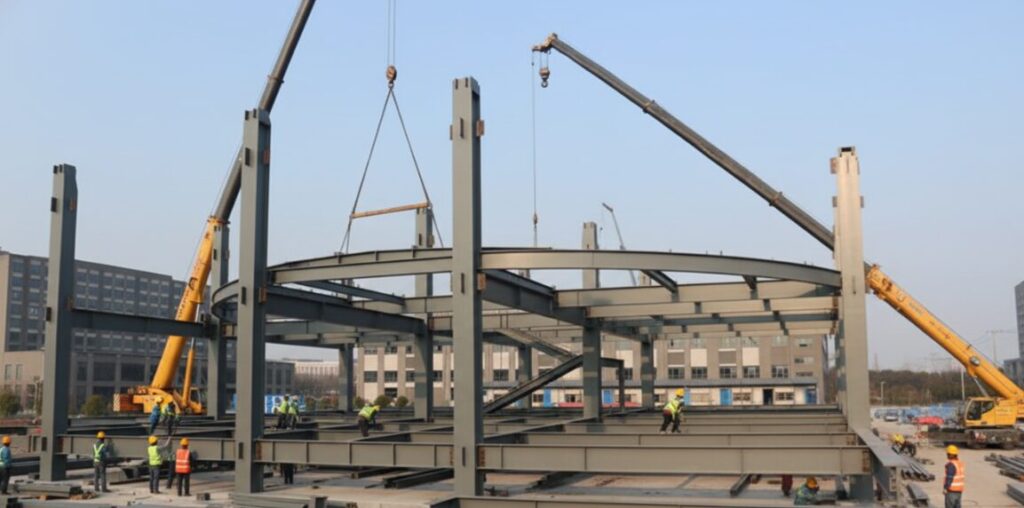
Finally, incidentally mention environmental protection. At present, the environmental protection indicators of the project are very strict, which further consolidates the preferred position of the steel structure. Steel has a unique skill in environmental protection, mainly due to its 100 per cent recycling. Other building materials used in the end, often can only be turned into construction waste buried. However, structural steel is different. Even if the building is demolished at the end of its life, these steels can still be recycled continuously, and its high tensile strength and mechanical properties are not compromised at all. This closed-loop life cycle not only reduces the carbon footprint of manufacturing new materials, but also ensures that large commercial and industrial projects can meet the stringent environmental requirements of the present and adapt to the sustainable development of the future.
Author: David Mitchell
Hi, I am a senior structural engineer and project manager with over 15 years of experience in industrial and commercial construction. In my daily work of reviewing drawings and leading technical meetings, I have witnessed firsthand the evolution of building materials. I specialize in Prefabricated Engineered Buildings (PEB) and sustainable architectural design.
Related recommendations
-

How To Calculate Structural Steel Quantity
13Master Structural Steel Take-Offs With This Expert Guide On MTO, BOQ, Waste Factors, And BIM For Precision.
View details -
How Structural Steel Is Made
21Explore The 5 Stages Of Structural Steel Production, From Raw Materials To Hot Rolling, In This Professional Guide.
View details -
Are Steel Frame Houses Noisy
220The Short Answer Is No. With Thermal Breaks And Proper Insulation, Steel Homes Are Quieter Than Wood.
View details -
What Is The Main Advantage Of Structural Steel
186Discover Why Structural Steel’S Strength-To-Weight Ratio And Ductility Are Key To Engineering Efficiency And Safety.
View details


HelloPlease log in