
 GAOERJI STEEL


Search
Why Is Steel Used For Bridges
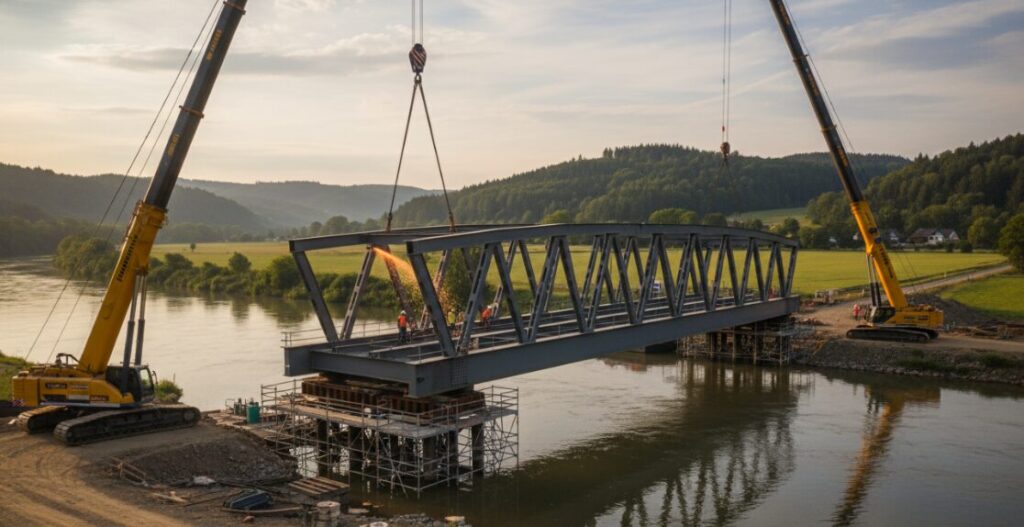
Structural steel has an unparalleled strength-to-weight ratio, extremely high tensile strength and excellent ductility. It is currently the only truly viable material when dealing with long-span bridges that carry huge live loads while also resisting seismic forces. Unlike the field work of reinforced concrete, steel supports prefabrication in a controlled factory environment, which not only ensures the overall quality of the structure, but also makes the construction progress of the site much faster. Coupled with the maturity of weathering steel technology, the protective film formed on the surface can save a large amount of later maintenance costs. When dealing with complex engineering challenges, steel is chosen because it finds the optimal solution in terms of cost performance, durability and design flexibility.
Mechanical Properties
The first is the strength-to-weight ratio. Steel has light weight but great “strength”, which means that we can design the upper structure to be lighter. This is very critical in the actual project, because the upper part is light, the following piers and foundations do not need to be so large, the material consumption and foundation costs of the whole project are directly reduced.
The second is tensile strength. Bridges-especially suspension bridges and cable-stayed bridges-are under tension all the time. Under such conditions, concrete often appears to be weak, while steel can be stretched without breaking under great tension, which is why we can build those slender, elegant long-span bridges.
Another thing that is particularly important in seismic zones is ductility. I have always felt that ductility is the “life-saving attribute” of steel bridges “. Steel can produce a lot of deformation before it completely fails, which means that when an earthquake occurs, the bridge can dissipate energy by shaking and deforming, rather than having that devastating brittle fracture.
Steel Structure Workshop
Steel Structure Workshops offer versatile designs. Clear Span ensures unobstructed space, while Centre and Intermediate Columns provide economical solutions for wide spans.
Bridge/Steel Structure Bridgeipsum
Steel Structure Bridges utilize high strength-to-weight ratios to achieve long spans where intermediate supports are difficult.Their versatility makes them essential for critical infrastructure connectivity.
Steel Structure Buildings
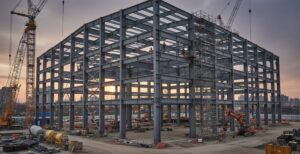
Steel Structure Buildings feature versatile designs to meet diverse needs. Clear Span offers open space, while Centre and Intermediate Columns increase economy for large spans. Multi Gable accommodates complex widths.
Construction Efficiency
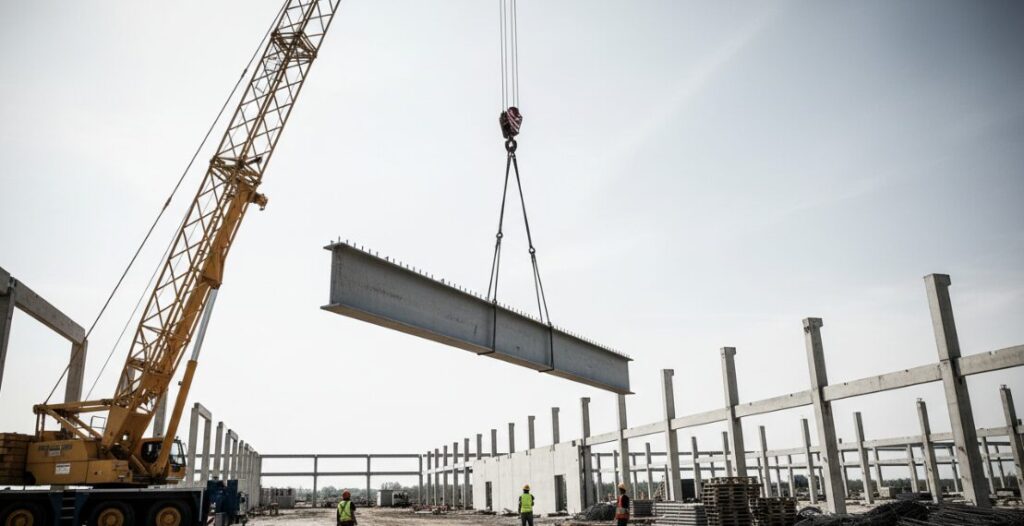
Precision precast: concrete is usually poured at the site, it is easily affected by the weather, quality control depends on luck. The steel components are processed in the factory’s precision control environment, and the tolerance can be controlled at the millimeter level. This structural integrity cannot be compared with on-site pouring.
Fast on-site assembly: After the components are transported to the site, they can be directly connected by bolts or welded. According to several urban infrastructure projects I have taken, this assembly method greatly reduces the road closure time and saves a lot of on-site labor costs.
Durability And Materials Science
We now often use weathering steel. It will automatically form a dense oxide layer on the surface, which becomes a barrier and prevents further corrosion. Because there is no need to repeatedly paint or engage in anti-corrosion coating, long-term maintenance costs directly cut off a large part. In a 75-to 100-year life cycle, this is definitely a very cost-effective investment.
Sustainability And The Circular Economy
Recyclable: Steel is the most widely recycled material on Earth. When the a bridge is decommissioned, its steel will not become waste in a landfill, but can be rebuilt into a new project component, and its quality will not drop at all.
Full life cycle cost: When environmental impact, maintenance expenses and recovery value are all taken into account, the combined performance of steel does outperform most traditional materials. This sustainability is very much in line with the current infrastructure industry trends.
Author: Alex Chen
My career has been dedicated to pushing the boundaries of bridge engineering, with a specialized focus on structural steel applications and sustainable construction practices. I am passionate about translating complex mechanical principles into durable, iconic structures that connect communities and stand the test of time.
Related recommendations
-

What Are The Advantages And Disadvantages Of Steel Structures
22Discover The Pros, Cons, And ROI Of Steel Structures For Large Projects. Learn Key Fire And Corrosion Safety Solutions.
View details -
Do Steel Frame Homes Rust
202Modern Steel Frames Are Rust-Proof For 50-100 Years. Learn How Advanced Coatings Protect Your Home In Any Climate.
View details -
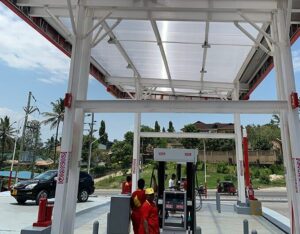
canopy steel structure
8Durable Gaoerji Canopy Steel Structure. Modular Design, Factory Prices & Fast Install. Ideal For Commercial Projects.
View details -
Is Steel Frame Non Combustible
88Is Steel Non-Combustible? Learn Why Steel Frames Need Protection To Maintain Structural Integrity During Fire Events.
View details

HelloPlease log in