
 GAOERJI STEEL


Search
What Is The Maximum Carbon Content Of Structural Steel
The carbon content of structural steel is typically capped between 0.25% and 0.30% by mainstream international standards, such as ASTM A36, EN 10025, and GB/T 1591.
The reason we must rigorously adhere to this cap is that carbon is a double-edged sword. As carbon content increases, the yield strength and hardness of steel do indeed rise; however, weldability and ductility plummet sharply. In order to ensure the overall stability of the structure, we must not only look at the carbon content, but also the carbon equivalent. This formula takes into account alloying elements such as manganese and chromium in order to prevent embrittlement or cold cracking in the heat affected zone of heavy structures during processing.
Disassembly of carbon content limits in global standards
Identifying carbon limits is the first step in ensuring safety. The thresholds given by different standards according to the grade of steel are actually slightly different:
- ASTM A36: This is one of the most commonly used standards in carbon structural steels, and it generally limits the carbon content to 0.26 percent for most profiles and plates.
- EN 10025: European standards tend to be more stringent, with a maximum value of 0.22 to 0.24 percent depending on the thickness and the specific sub-class.
- GB/T 1591 : This is the domestic standard for high-strength low-alloy structural steel, and the carbon content is generally about 0.20 to 0.24 percent.
Strict adherence to these maximum values is non-negotiable. Once exceeded, the risk of field structural failure will increase geometrically.
Steel Structure Workshop
Steel Structure Workshops offer versatile designs. Clear Span ensures unobstructed space, while Centre and Intermediate Columns provide economical solutions for wide spans.
Bridge/Steel Structure Bridgeipsum
Steel Structure Bridges utilize high strength-to-weight ratios to achieve long spans where intermediate supports are difficult.Their versatility makes them essential for critical infrastructure connectivity.
Steel Structure Buildings
Steel Structure Buildings feature versatile designs to meet diverse needs. Clear Span offers open space, while Centre and Intermediate Columns increase economy for large spans. Multi Gable accommodates complex widths.
The Trade-Off Between Power And Weldability
Increasing the carbon content is the cheapest way to increase the yield strength of steel. However, this will have huge side effects in two key areas:
- Weldability: High carbon steel is very easy to harden during welding cooling process. This can cause the heat affected zone (HAZ) to become brittle, resulting in cracks.
- Ductility: Structural steel needs to absorb energy and deform slightly without breaking under wind or earthquake loads. Too high a carbon content can make the steel “brittle” and increase the risk of sudden fracture.
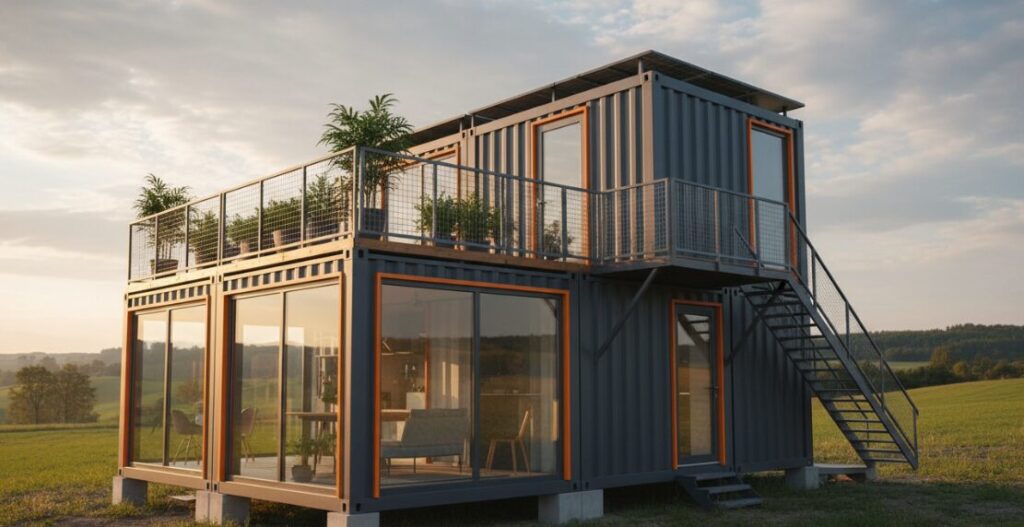
For those heavy-duty container products that need to be stacked with multiple layers, find that balance point to ensure that the frame is strong enough to bear weight and flexible enough to withstand long-term toss.
The Role Of Carbon Equivalent In Structural Integrity
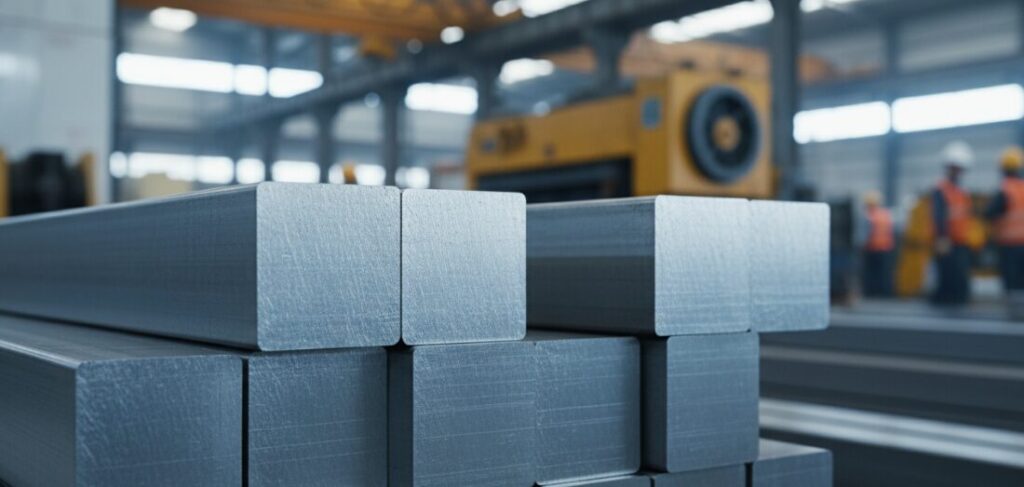
Staring only at the “maximum carbon content” is often a novice’s approach. Sophisticated engineers must consider the carbon equivalent.
Because structural steel often contains manganese (Mn), chromium (Cr), molybdenum (Mo) and other elements to enhance performance, carbon equivalent formula can more accurately reflect the welding performance of steel. In my experience, even if the carbon content is less than 0.25 percent, if the carbon equivalent is too high, it will still lead:
- Cold crack: a crack formed after the weld is cooled, which is often concealed.
- Brittleness: Lack of toughness can lead to catastrophic structural failure in cold climates or high stress environments.
Procurement Of High Quality Steel For Modular Solutions
Understanding that the carbon content of structural steel is capped at 0.25-0.30 percent is the basis for developing a procurement strategy. But for special applications such as professional container frames, choosing a low carbon level and strictly controlling the carbon equivalent is the king of durability.
At Wedospace, we know that the quality of container houses and expansion units starts with the chemical composition of the steel. By adhering to international standards and prioritizing high weldability steels, we ensure the highest level of safety in every structure we deliver to our customers worldwide.
Author: Steve Chen
I am a Senior Structural Engineer with over 12 years of experience in materials quality control and high-performance structural design. My work focuses on translating complex international steel standards—such as ASTM, EN, and GB—into actionable procurement strategies that prioritize long-term durability. As a technical consultant, I am dedicated to ensuring that every modular structure we develop starts with the perfect chemical balance, ensuring safety and excellence for our clients worldwide.
The prev: Prefabricated Buildings Cost-Effective
Related recommendations
-

How To Calculate Structural Steel Quantity
13Master Structural Steel Take-Offs With This Expert Guide On MTO, BOQ, Waste Factors, And BIM For Precision.
View details -
How To Design Bracing For Steel Structures
19How To Design Bracing For Steel Structures
View details -
How To Insulate A Steel Frame Building
195Learn To Insulate Steel Buildings Via Continuous Insulation To Stop Thermal Bridging And Prevent Moisture.
View details -
Why Is Steel Used To Make Bridges
49Discover Why Steel Is The Backbone Of Modern Bridge Engineering. Learn How Its High Strength, Ductility, And Structural Flexibility Ensure Long-Lasting, Safe, And Efficient Infrastructure.
View details


HelloPlease log in