
 GAOERJI STEEL


Search
What Is Structural Steel Used For
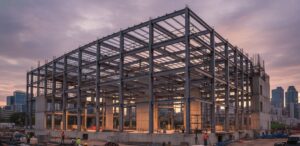
From skyscrapers plunging into the sky to huge industrial warehouses and even those complex commercial complexes, structural steel provides the internal support skeleton for these buildings with its outstanding strength-to-weight ratio and ductility. In the actual project drawings, structural steel is not just a simple frame. We will process it into I-beams, H-beams and long-span trusses, specifically designed to deal with heavy vertical and horizontal loads. In professional B2B application scenarios, structural steel is always the first choice, whether it is prefabricated buildings (PEB), seismic support systems, or large-scale infrastructure such as bridges and stadium roofs.Structural steel that strictly follows ASTM standards allows us to design longer spans and more open layouts than reinforced concrete or wood structures. For heavy industrial platforms that require long-term durability and structural integrity, this stuff is truly irreplaceable.
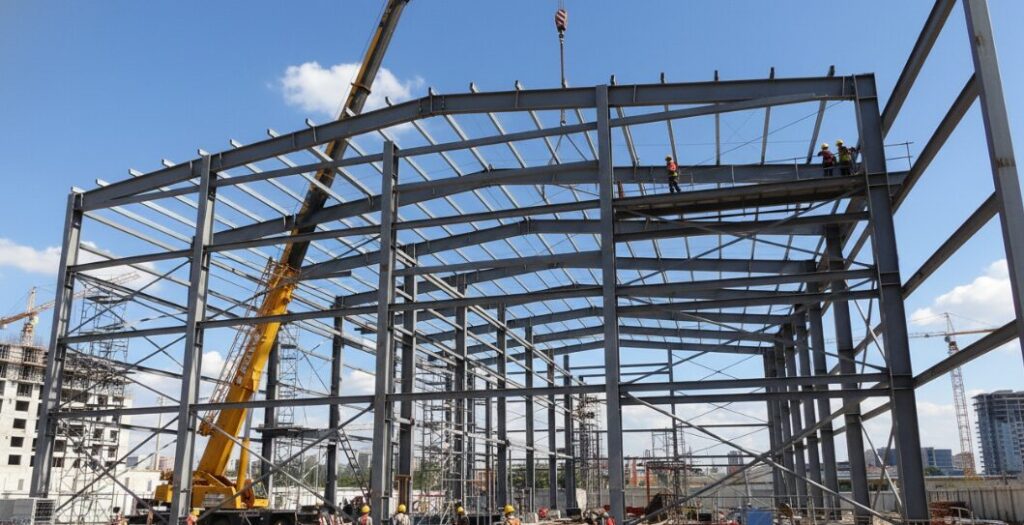
High-Rise Buildings And The Backbone Of Commercial Real Estate
The most eye-catching application of structural steel is the vertical frame of high-rise buildings. Because the strength-to-weight ratio of components such as H-beams and I-beams is so superior, this allows us to design skyscrapers that are both light and stable. You can compare: if reinforced concrete wants to support the same load, it often needs very thick columns, which takes up too much space. The steel frame maximizes the net area available indoors. This “skeleton” application is very important to modern commercial complexes. After all, those open open offices and large glass curtain walls all expect steel to carry the heaviest burden with the least body.
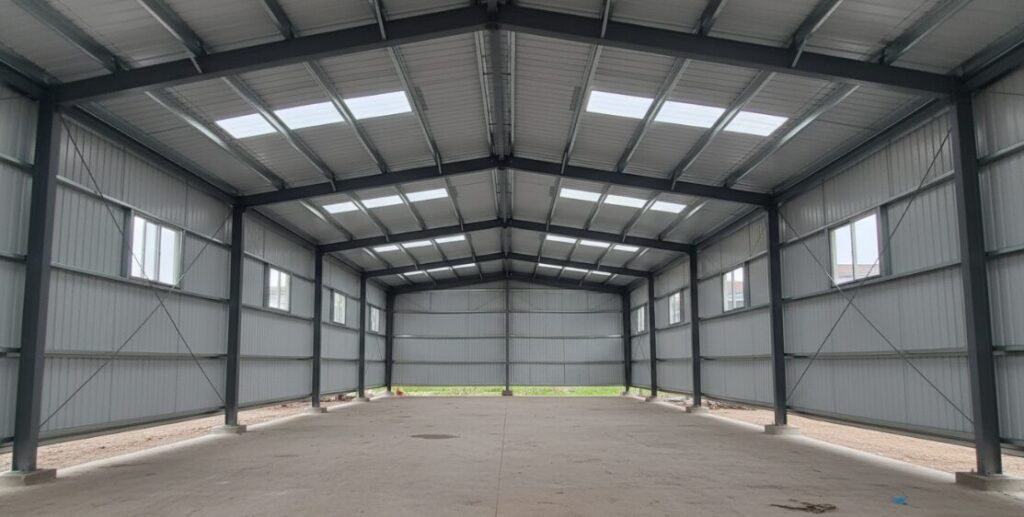
Industrial Applications: Warehouse And PEB Systems
In the industrial sector, structural steel is the “gold standard” material for prefabricated construction (PEB) and large logistics warehouses. Its good ductility, factory processing is also convenient, which allows us to come up with the kind of “no column large span” indoor space. To be honest, if you’re designing a factory that requires the placement of heavy machinery, the installation of cranes, or complex inventory systems, the space full of pillars is a disaster. By using high-tension long-span trusses, we can create extremely durable heavy-duty environments. Even under continuous mechanical vibration and high frequency logistics pressure, structural steel can still maintain high reliability.
Critical Infrastructure: Bridges And Large Venues
In addition to conventional buildings, structural steel is also indispensable in public infrastructure-especially bridges and stadium roofs. These structures face greater challenges, such as extreme wind loads, seismic activity, and thermal expansion and contraction of materials. At this point, the strict implementation of ASTM standards shows its power, it can ensure that the tie rods and compression rods under extreme pressure performance is exactly in line with our prediction. In bridge engineering, steel can be processed into complex geometric shapes, such as suspension structures and arch trusses. Such spans are simply impossible to match with wood or concrete. In the final analysis, this is the only way to ensure the resilience of the transportation network.
Steel Structure Workshop
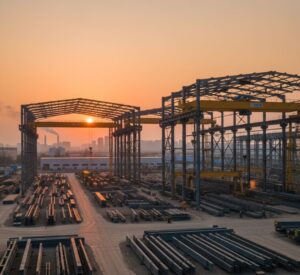
Steel Structure Workshops offer versatile designs. Clear Span ensures unobstructed space, while Centre and Intermediate Columns provide economical solutions for wide spans.
Bridge/Steel Structure Bridgeipsum
Steel Structure Bridges utilize high strength-to-weight ratios to achieve long spans where intermediate supports are difficult.Their versatility makes them essential for critical infrastructure connectivity.
Steel Structure Buildings
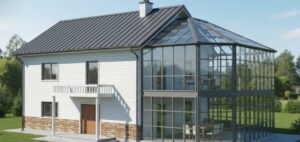
Steel Structure Buildings feature versatile designs to meet diverse needs. Clear Span offers open space, while Centre and Intermediate Columns increase economy for large spans. Multi Gable accommodates complex widths.
Seismic Resistance And Long-Span Flexibility
Because steel is inherently ductile, it can absorb and dissipate energy through its own deformation during an earthquake, thereby preventing a catastrophic collapse of the building. In order to design in high-risk seismic zones, we basically have no choice but to use steel for the sake of safety and building codes. In addition, the ability of structural steel to handle long spans also gives architects a lot of room to play, such as an ultra-long cantilever structure, or a huge suspended canopy like a stadium. In terms of precision and durability, it is indeed a lot higher than traditional materials. For engineers seeking high-performance, sustainable and heavy-duty construction, structural steel is always the safest and hardest choice.
Author: Robert Sterling
I am a Senior Structural Engineer with over 11 years of experience in architectural design and large-scale infrastructure projects. Throughout my career, I have specialized in leveraging the high strength-to-weight ratio of structural steel to create resilient skyscrapers and expansive industrial facilities. My design philosophy centers on utilizing ASTM standards to maximize spatial efficiency and seismic safety.
Related recommendations
-

How To Build A Steel Roof
36Master Metal Roof Installation With Expert Tips On Flashing, Screw Torque, And Safety For A Leak-Free, Lifelong Roof.
View details -
How Much Does a Steel Structure Factory Cost per Square Meter?
294The larger the floor area, the lower the cost per square meter. Multi-story factories usually cost more than single-story ones. Material type and steel consumption play a major role in determining overall cost. Additional elements such as ...
View details -
Are Steel Buildings Cost Effective
31Learn Why Steel Buildings Offer Superior ROI Through Low Maintenance, Insurance Savings, And Faster Construction.
View details -
Do Steel Buildings Need A Foundation
213Yes, Permanent Steel Buildings Need A Foundation To Prevent Wind Uplift And Settling. Learn About Cost-Effective Alternatives To Full Slabs, Like Piers.
View details


HelloPlease log in