
 GAOERJI STEEL


Search
What Are The Advantages And Disadvantages Of Steel Structures
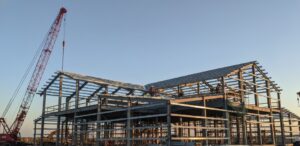
The steel structure has an amazing high strength-to-weight ratio, which can easily handle the super-large span without pillars inside; Moreover, the installation speed is extremely fast, and the on-site labor cost and construction period can save a lot. In addition, its ductility is excellent, seismic performance is not to say, plus 100 percent recyclable, very much in line with the current environmental requirements. The most troublesome problem of steel structure is that it is afraid of water and fire-it is extremely easy to corrode and rust in case of tide, and its bearing capacity falls extremely fast in case of high temperature fire. Therefore, when we make the preliminary planning, I always keep an eye on the decision-making level: the overall steel structure is very cost-effective, but the budget for hot-dip galvanizing, anti-corrosion treatment and professional intumescent fireproof coating must be reserved in the early stage. As long as corrosion protection and fire protection are in place, the long-term return on investment (ROI) of steel buildings for large-scale projects is almost always rolling traditional reinforced concrete or wood structures.
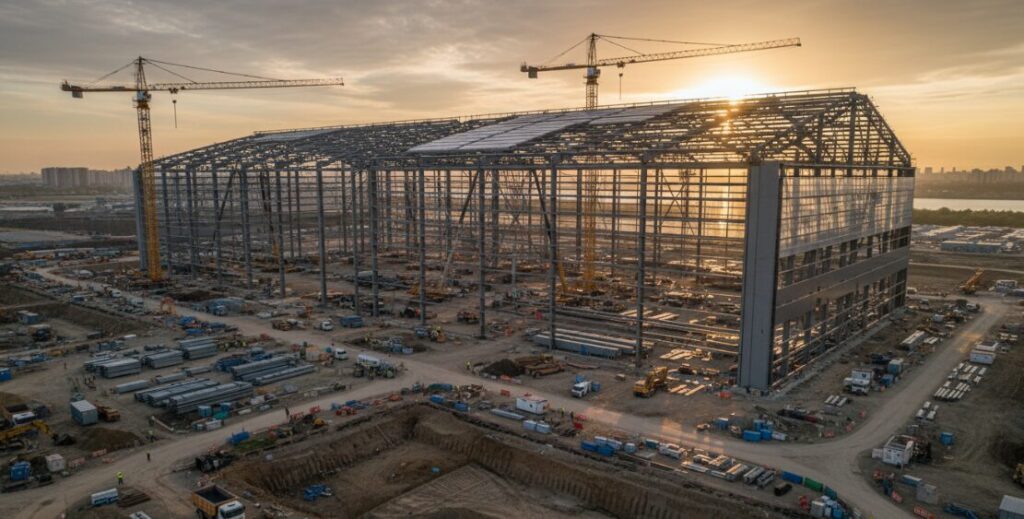
The Core Advantage Of Steel Structure
Extremely high strength-to-weight ratio with super-large span
This is also why the plant and hangar prefer it. Compared with traditional building materials, steel can support heavier loads with less physical material. This feature is a boon for our structural engineers-it allows us to directly design very large spans without the need for columns in the middle. For projects such as hangars, large logistics warehouses, manufacturing workshops or indoor stadiums, this means that 100 per cent of the effective area can be used, and the later operational layout can be said to be completely unlimited.
Extremely fast lifting speed and lower labor costs
After being delivered to the site, the main work of the workers is to assemble-screw high-strength bolts or weld. This kind of “building blocks” type of rapid construction directly reduces the construction period by a large margin. The progress is fast, the developer’s high on-site construction labor costs will be saved, and the project can be put into the market faster.
Excellent ductility and excellent seismic performance
In layman’s terms, it is the ability of materials to bend and deform under extreme external forces but not to break directly. The ductility of structural steel is particularly prominent, and when an earthquake comes, it can absorb and consume huge amounts of energy. In the seismic belt projects I have worked with, steel structures are usually the first choice, because they are at most yielding under the action of earthquakes, rather than being prone to sudden disaster-level collapses like brittle materials.
Steel Structure Workshop
Steel Structure Workshops offer versatile designs. Clear Span ensures unobstructed space, while Centre and Intermediate Columns provide economical solutions for wide spans.
Bridge/Steel Structure Bridgeipsum
Steel Structure Bridges utilize high strength-to-weight ratios to achieve long spans where intermediate supports are difficult.Their versatility makes them essential for critical infrastructure connectivity.
Steel Structure Buildings
Steel Structure Buildings feature versatile designs to meet diverse needs. Clear Span offers open space, while Centre and Intermediate Columns increase economy for large spans. Multi Gable accommodates complex widths.
100% recyclable and extremely sustainable
The construction circle is now staring at environmental indicators. Steel is a 100 per cent recyclable material, and no matter how it is recycled, its inherent strength and physical properties will not be compromised. The choice of steel structure can greatly reduce the carbon footprint of the whole life cycle of the project. If your project wants to get green building certification, this is definitely a highly sustainable plus.
Main Disadvantages Of Steel Structure
Natural easy corrosion rust
When weighing the pros and cons of steel structure, the most difficult pain point is its response to environmental factors. Once exposed to oxygen and moisture, exposed steel will undergo oxidation, also known as rust. If you don’t put on a protective coat in the early stage, the corrosion process will slowly eat up the materials, and finally the structural integrity of the whole building will be a big problem.
Very poor fire resistance at high temperature
Many non-professionals have a misconception that steel can’t be burned, so it’s safe. In fact, the steel itself does not burn and does not support combustion, but its fire resistance is quite poor at extreme high temperatures. In the event of a serious building fire, the steel structure will quickly absorb heat, and the carrying capacity will show a cliff-like decline. When the temperature exceeds the critical value, those steel beams and steel columns without any protection will twist and buckle, and finally directly lead to the collapse of the structure.
Engineering Solutions That Decision Makers Must Focus On
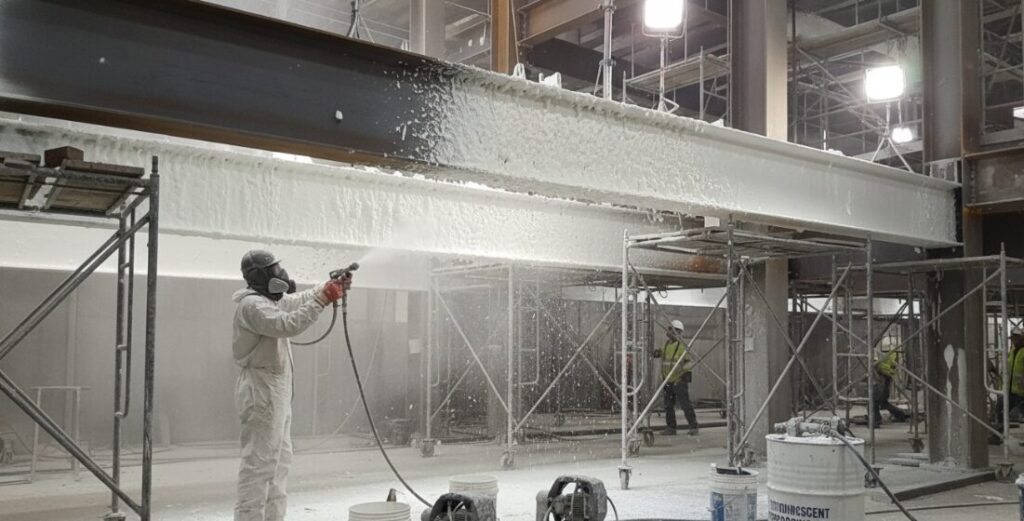
Understand the advantages and disadvantages of steel structure is only half, can prevent shortcomings is the bottom line of project success. For the decision-making level, it is mandatory to plan this part of the preliminary project budget, which is directly related to the life and safety of the house.
Anti-corrosion treatment: In order to prevent rust, steel must be isolated from moisture. We usually use industrial-grade anti-corrosion coating systems, or direct hot-dip galvanizing (coating the steel with a protective layer of zinc). These treatments can form a permanent physical barrier against the outside environment.
Professional intumescent fire retardant coating: for poor fire resistance of the soft rib, all steel skeleton must do professional fire treatment. Personally, I strongly recommend using intumescent fireproof coatings. This special paint usually looks no different from ordinary paint, but it will expand exponentially at high temperature, forming a thick carbonized insulation layer. This layer of things can effectively delay the heating rate of the steel itself, in the event of a fire to keep its load-bearing capacity.
Long-Term Return On Investment (ROI) For Large Projects.
After thoroughly the pros and cons of steel structures, it is already clear what to choose for large-scale construction projects. It is undeniable that it is true that you have to pay a budget to do anti-corrosion and fire prevention for steel in the early stage. However, if you calculate the general ledger, you will find that the extremely short construction period, the labor cost greatly cut, and the construction freedom brought by the super-large span have already offset the money. In the final analysis, as long as the engineering design is reasonable and the protective measures are in place, in large-scale industrial, commercial and agricultural projects, the long-term return on investment (ROI) of steel buildings will almost always win over traditional reinforced concrete and wood frame structures.
Author: Marcus Wright
Hi, I’m a senior structural engineer and project consultant with years of experience in large-scale industrial and commercial construction. Throughout my career, I’ve designed and managed numerous steel structure projects, especially in earthquake-prone zones. I know firsthand the engineering challenges and budget considerations that developers and investors face.
Related recommendations
-

How To Ventilate A Steel Building
191Learn How To Ventilate A Steel Building Using The Chimney Effect. Stop Condensation With Ridge Vents And Proper Intake.
View details -
What Are The Advantages Of Steel Framed Buildings
95Discover How Steel Framing Maximizes ROI Through Durability, Fire Resistance, And Rapid Construction Timelines.
View details -
Is Steel Frame Non Combustible
88Is Steel Non-Combustible? Learn Why Steel Frames Need Protection To Maintain Structural Integrity During Fire Events.
View details -
How To Calculate Structural Steel Quantity
14Master Structural Steel Take-Offs With This Expert Guide On MTO, BOQ, Waste Factors, And BIM For Precision.
View details


HelloPlease log in