
 GAOERJI STEEL


Search
How To Reduce Vibration In Steel Structure
In order to effectively solve the vibration problem of steel structure, we can’t get around three core elements of design: stiffness, mass and damping. Our core goal is to stagger the natural frequency of the structure with the excitation frequency of external loads to avoid resonance.
The specific strategy is to increase the stiffness by adding cross supports, rear stiffeners on the steel beams, or to ensure that there is a stable combination between the steel beams and the concrete surface, thereby limiting the deflection. The use of tuned mass dampers (TMD) or viscoelastic dampers to improve the damping ratio, which is currently recognized as the most effective way to dissipate energy and reduce the level of acceleration. When dealing with the floor system, You must stick to the Design Guide standard to ensure that the peak acceleration is within the human comfort standard of the specific use scenario.
Improve the Structural Stiffness to Offset the Natural Frequency
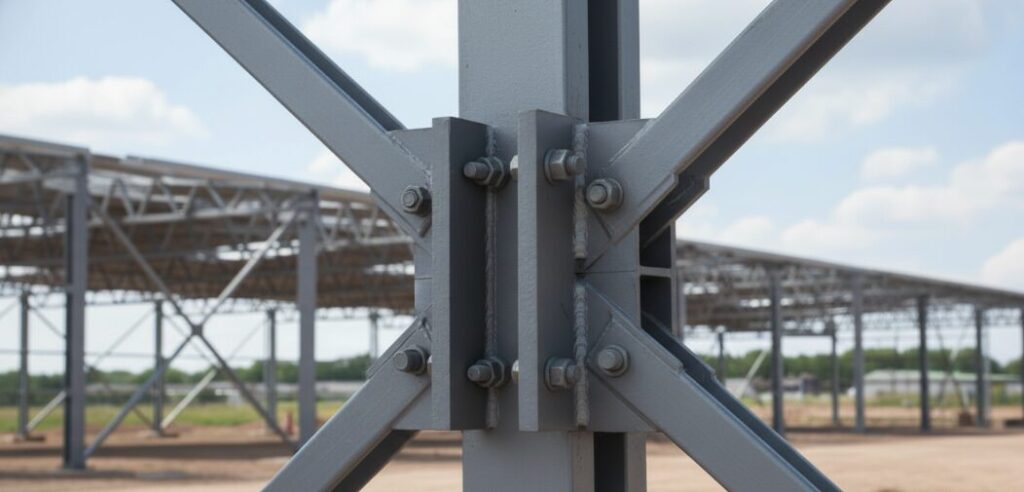
The most direct and effective means to control vibration is to improve the stiffness (K) of the steel frame. The stiffness goes up, the natural frequency of the floor or frame will also increase, thus avoiding the conventional excitation frequency range brought about by walking or rhythmic machinery.
Cross bracing: Adding diagonal bracing or cross bracing members can directly enhance the lateral stiffness of the system. This is the cornerstone of reducing the “shaking” feeling or amplitude of the entire structural system.
Post-Installed Stiffeners: For existing steel beams that have been built but feel “wobbly” when stepped on, I usually recommend welding or bolting steel plates on the web or flange. This approach can significantly improve the cross-sectional moment of inertia.
Combination action: The use of shear nails to ensure the formation of rigid bonding between the steel beam and concrete floor, constitute a composite section. This can greatly reduce the deflection, improve the overall rigidity of the floor system, the effect is very obvious.
Steel Structure Workshop
Steel Structure Workshops offer versatile designs. Clear Span ensures unobstructed space, while Centre and Intermediate Columns provide economical solutions for wide spans.
Bridge/Steel Structure Bridgeipsum
Steel Structure Bridges utilize high strength-to-weight ratios to achieve long spans where intermediate supports are difficult.Their versatility makes them essential for critical infrastructure connectivity.
Steel Structure Buildings
Steel Structure Buildings feature versatile designs to meet diverse needs. Clear Span offers open space, while Centre and Intermediate Columns increase economy for large spans. Multi Gable accommodates complex widths.
Optimize Damping and Energy Dissipation
When stiffness adjustment encounters bottlenecks-especially when it comes to steel structures with large spans-increasing the damping ratio becomes a lifesaver. Damping is essentially the ability of a structure to “eat” kinetic energy.
Tuned Mass Damper (TMD): This is the professional device composed of mass, spring and damper. We need to be “precisely tuned” to the specific frequency of the structure to cancel out the vibration.
Viscoelastic Dampers: The integration of these materials into structural joints converts mechanical energy into thermal energy. This solution is very powerful for reducing the acceleration level of the building when dealing with dynamic loads.
Quality Management and Frequency Control
Although increasing the mass (M) usually reduces the natural frequency, the management here must be strategic, not just stacking.
In some specific office scenes, it is beneficial to increase the concrete surface layer or thicken the floor slab, because it increases the inertia of the system, making it difficult for the weak dynamic load such as footsteps to “take the whole system to deviate”. This must be balanced with the dead load added by the column and foundation.
Strictly Follow Design Guide Standards
For modern steel-framed buildings, you can refer to AISC Design Guide 11.
We must accurately calculate the peak acceleration of the floor system. This value must be pressed below the human comfort standard line. This line is completely different for buildings with different uses:
- Office and residential: The acceleration limit is extremely harsh.
- Mall: A slightly higher vibration level is acceptable.
- Rhythmic activity areas (gym/dance floor): These places require the most stringent stiffness and damping control schemes.
Summary
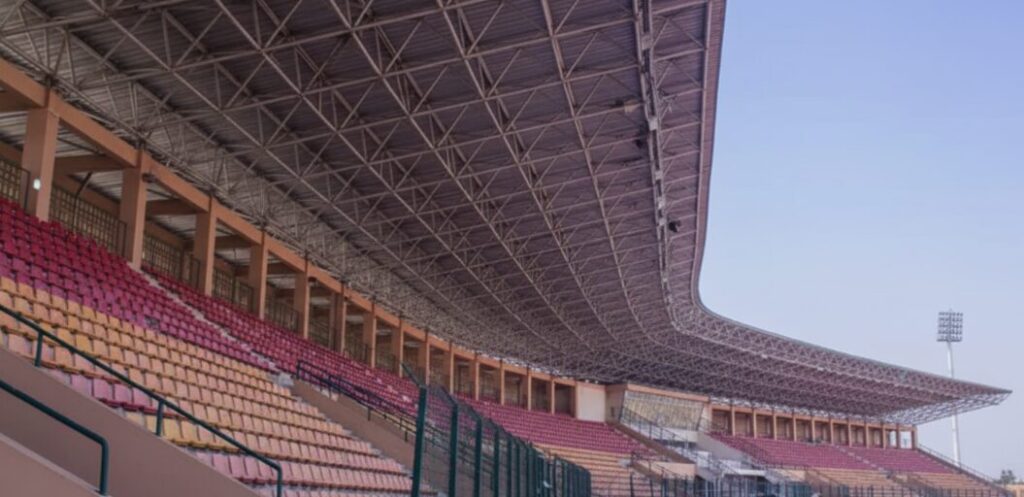
The vibration reduction of steel structure is not a simple reinforcement, it needs to have a precise sense of balance of mechanical properties, but also has the intuition of engineering practice. By strengthening stiffness, applying advanced damping technology and strictly implementing standards, you can create a stable, quiet and high-performance building environment.
In Wedospace, we have a professional technical team to deal with this kind of complex steel structure design and vibration reduction optimization. If you are facing a similar pain point or want to get your project to a higher technical specification, you can contact our engineers directly.
Author Name: David Chen
“I am a structural engineer at Wedospace with extensive experience in tackling complex vibration challenges in modern steel frame buildings. Throughout my career, I have focused on the delicate balance of stiffness, mass, and damping to ensure that structures are not only safe but also comfortable for their occupants. By strictly applying Design Guide standards and advanced technologies like Tuned Mass Dampers (TMD), I help clients transform ‘wobbly’ spaces into high-performance, quiet environments.”
The prev: How To Erect Structural SteelThe next: How To Calculate Structural Steel Quantity
Related recommendations
-

Are Steel Frame Houses Noisy
220The Short Answer Is No. With Thermal Breaks And Proper Insulation, Steel Homes Are Quieter Than Wood.
View details -
How To Anchor Steel Building To Ground
213Secure Your Steel Building To Concrete Or Soil. Learn Professional Anchoring Methods For Maximum Stability.
View details -
What Is The Main Advantage Of Structural Steel
186Discover Why Structural Steel’S Strength-To-Weight Ratio And Ductility Are Key To Engineering Efficiency And Safety.
View details -
How To Frame With Steel Studs
171Learn How To Frame With Steel Studs. Master Layouts, Track Installation, And Safety For Professional, Lasting Walls.
View details


HelloPlease log in