
 GAOERJI STEEL


Search
How To Protect Structural Steel From Corrosion
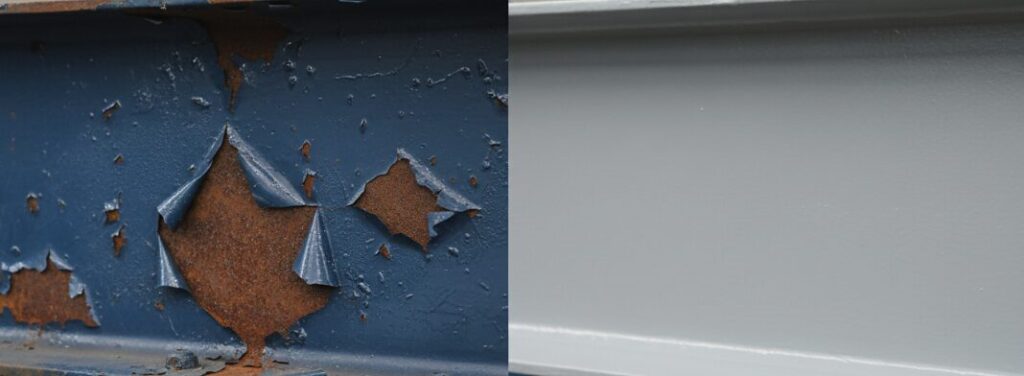
The most reliable technology path is usually two: either the use of hot-dip galvanizing (HDG) to provide the kind of unparalleled physical barrier and sacrificial anode protection; or the use of a set of high-performance coating system-that is, the industry’s classic “zinc-rich primer + epoxy intermediate paint + UV resistant polyurethane topcoat”. No matter which one is chosen, there is one thing that cannot be bypassed: strict surface treatment must be carried out, especially sandblasting and derusting must reach at least Sa 2.5 grade, otherwise the most expensive paint will only be “look goods”.
Assessment Of Environmental Corrosivity
Before you start writing an anti-corrosion plan, you have to find out where the structure is to be placed. The ISO 12944 standard divides the environment into levels, which directly determine the thickness and material selection of your subsequent coatings:
- C1 (Very Low): Heated buildings, clean atmospheres.
- C2 (Low): Unheated buildings, low pollution.
- C3 (Medium): Urban/industrial atmospheres, moderate pollution.
- C4 (High): Industrial areas, coastal areas with moderate salinity.
- C5 (Very High): Coastal/offshore areas with high salinity, industrial areas with high humidity.
- CX (Extreme): Offshore/marine environments with extreme corrosion risks.
- Im1–Im4: Categories for submerged (water/sea) or buried structures.
Steel Structure Workshop
Steel Structure Workshops offer versatile designs. Clear Span ensures unobstructed space, while Centre and Intermediate Columns provide economical solutions for wide spans.
Bridge/Steel Structure Bridgeipsum
Steel Structure Bridges utilize high strength-to-weight ratios to achieve long spans where intermediate supports are difficult.Their versatility makes them essential for critical infrastructure connectivity.
Steel Structure Buildings
Steel Structure Buildings feature versatile designs to meet diverse needs. Clear Span offers open space, while Centre and Intermediate Columns increase economy for large spans. Multi Gable accommodates complex widths.
Mainstream Protective Means
Hot-dip galvanizing (HDG)
For those steel structures that pursue the maintenance of “forget after loading”, hot-dip galvanizing is still the “gold standard” of the industry “. It is different from ordinary paint. The zinc layer is combined with the metallurgical reaction of steel. It provides double insurance: the is a physical barrier to oxygen and moisture; the 2 is that even if the surface is scratched, the surrounding zinc will preferentially corrode away, sacrificing itself to preserve the steel.
Three-layer coating system
If the component size is too large to enter the zinc pot, or Party A has special requirements for appearance color, we have to use high-performance liquid coating:
- Zinc-rich primer: This is the first line of defense, in case the paint film is broken, it can prevent “rust spread”.
- Epoxy intermediate paint: This layer is mainly to thicken the barrier, by increasing the “path length” of water vapor and ion penetration, so that the corrosion factor is difficult to touch the metal substrate.
- Polyurethane topcoat: This is the “sunscreen” of the steel structure, which prevents ultraviolet rays from chalking and degrading the epoxy paint underneath.
The Key Role Of Surface Treatment
Even if you use the most expensive paint in the world, if the surface treatment is not in place, it will still peel off in advance. Oxidation, rust or oil stains on the surface of steel can completely destroy chemical and mechanical adhesion.
In the engineering specifications, I have always insisted that Sa 2.5 grade sandblasting must be mandatory. This process has two purposes:
- Cleanliness: It can remove more than 95% of surface contaminants and oxides.
- Roughness: It can microscopically create a “peak and valley” structure (anchoring texture) for the steel, which greatly increases the area of the primer gripping the metal surface.
Special Environmental Scheme
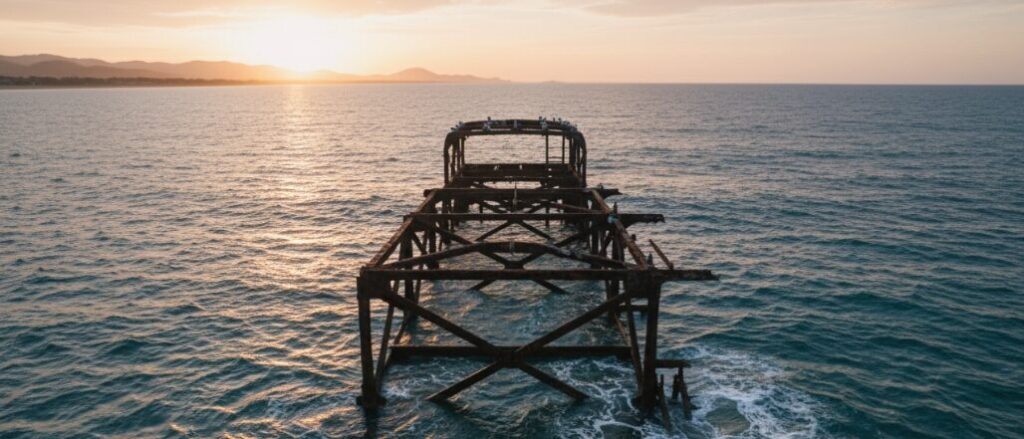
Some steel structures are soaked in sea water or buried in soil for a long time. The coating alone may not be safe. We will introduce cathodic protection (CP) to inhibit corrosion from an electrochemical level.
There are usually two ways:
- Sacrificial anode: hang more active metals such as aluminum or magnesium blocks and let them “die” for the steel structure “.
- Impressed Current Cathodic Protection (ICCP): The use of an external power source to forcibly provide electrons to prevent the oxidation of steel.
Life Cycle Cost Analysis (LCCA)
The easiest pit for structural engineers to step on is to look only at the “initial cost” and ignore the “total cost of holding”.
A low-quality paint solution may be 40% cheaper at the beginning, but it needs to be overhauled every 5 to 8 years, and the subsequent labor and shutdown losses are astronomical. On the contrary, a system designed for a life of more than 25 years (Sa 2.5 sandblasting + high-performance coating), although the first money is more, but after calculating the net present value (NPV) you will find that it not only reduces the risk, but is the most economical option.
Author: David Vance
“I’m a structural engineer with a specialized focus on heavy-duty anti-corrosion technology. I am a firm advocate for the ‘gold standard’—combining rigorous ISO 12944 standards with mandatory Sa 2.5 sandblasting. My professional philosophy is built on looking beyond the initial price tag; I strive to help industry colleagues implement protection systems that ensure long-term structural integrity and the best possible life cycle value.”
The prev: How To Build A Steel RoofThe next: How Long Does Structural Steel Last
Related recommendations
-

Are Steel Buildings Temporary Structures
200Is A Steel Building Temporary? Explore Ibc Standards And Foundation Types For Your Project.
View details -
What Is The Main Advantage Of Structural Steel
186Discover Why Structural Steel’S Strength-To-Weight Ratio And Ductility Are Key To Engineering Efficiency And Safety.
View details -
How Long Does Hot Dipped Galvanized Steel Last
9Learn Why Hot-Dip Galvanized Steel Lasts 50-100 Years. Explore TFM, ASTM A123 Standards, And ROI For Industries.
View details -
Prefabricated Buildings Cost-Effective
11Maximize ROI With Prefab Construction. Reduce Delivery Time By 50% And Eliminate Hidden Costs For Commercial Projects.
View details


HelloPlease log in