
 GAOERJI STEEL


Search
How To Build A Steel Frame Tiny House
The best way to build steel-structured micro-houses efficiently is to assemble prefabricated light steel (LGS) kits directly. The first step is to lock the steel bottom plate on the trailer chassis with high-strength bolts; The second step is to hold the impact driver and put the wall and roof components together according to the number. The third step is to attach high-density foam strips to the outer frame for bridge insulation (to prevent condensation water from relying on it); Finally, the structure is sealed with plywood or hard insulation board. This method makes the house about 30% lighter than the wood structure, and the skeleton is much straighter, and the trailer runs more earthquake-resistant.
Why Choose A Precast Light Steel (LGS) Kit
When learning to build steel miniature houses, understanding the advantages of materials is the first lesson in getting started. As mentioned earlier, directly prefabricated light steel (LGS) kits are definitely much stronger than traditional wood frames or self-welded steel. The first advantage is weight loss. The finished steel frame is about 30% lighter than the wood structure of the same specification. You have to know that for a miniature house with wheels, every pounds of weight is consuming your gross vehicle weight rating (GVWR). Furthermore, the LGS kit is precision machined to ensure that the wall is absolutely horizontal and vertical. This accuracy is precisely the strongest guarantee to deal with the continuous vibration and even “earthquake-like” working conditions faced by micro-houses in the process of hauling.
Step1: Anchorage Of Base Plate To Trailer
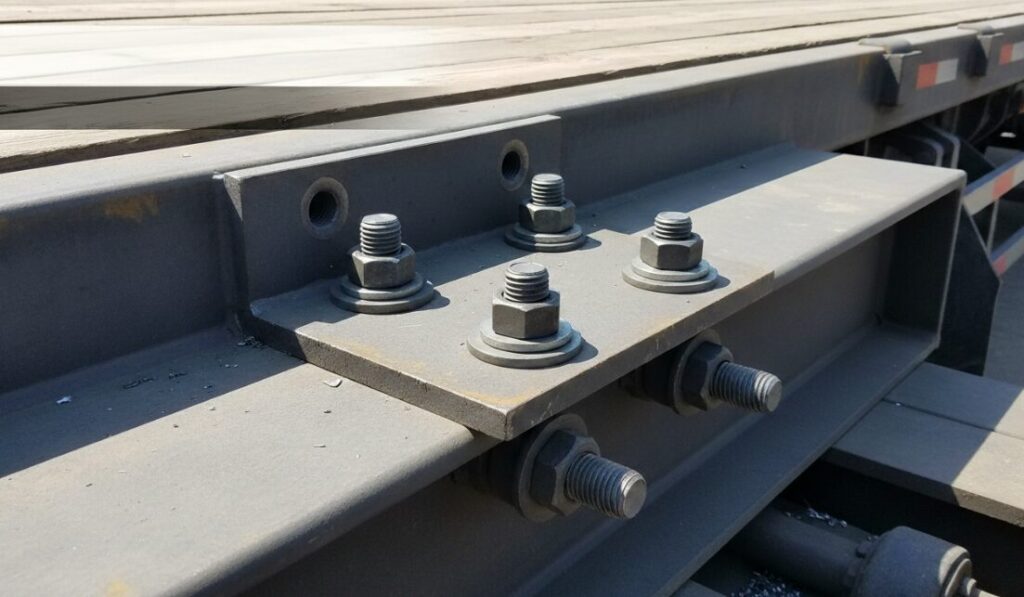
This step is the foundation, but unlike the dead foundation on the cement board, we build houses on wheels, and the connection points must be earthquake-resistant. First, lay the steel floor in the kit on the trailer chassis. High-strength bolts must be used. Don’t be lazy with ordinary building screws, and there is no need to weld on this node. Only high-strength bolts can ensure that when the house is running on the highway or walking on a bad road, the frame is still firmly grasped on the chassis. At this time, the alignment work is very important. If the bottom plate is not straight, the assembly of the whole house behind will be crooked.
Step2: Assembly Of Precision Components
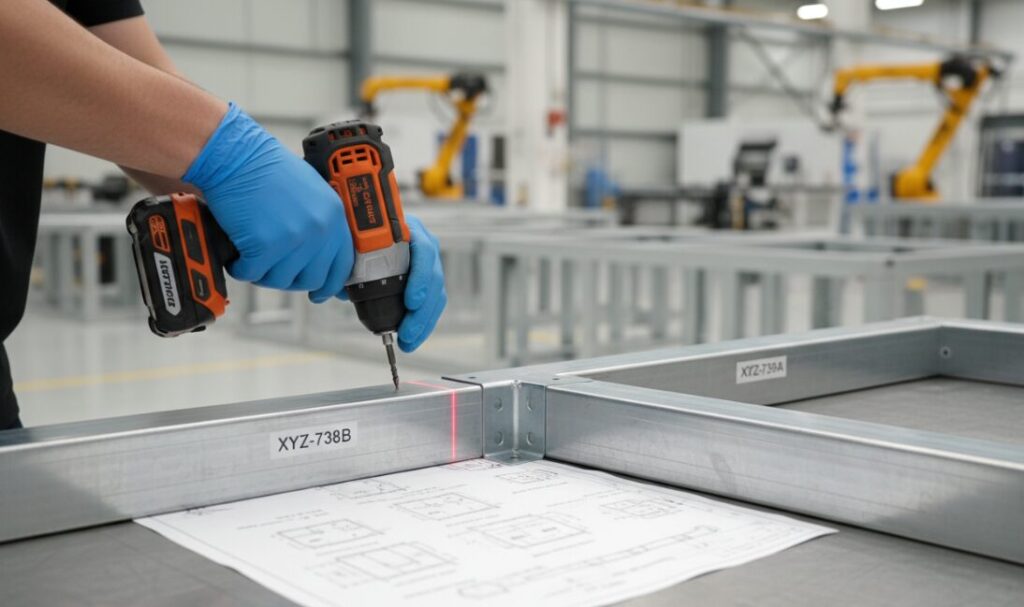
Many peers and self-builders choose LGS kit method, which is a convenience. You don’t need to cut metal, and you don’t need that kind of advanced welding certificate. The components in the kit are pre-cut, perforated and numbered. All you need at this stage is a good impact screwdriver and self-tapping screw. Look at the number, align the wall column with the corresponding track, and screw it in. Because it is prefabricated, the holes are usually perfectly aligned, completely avoiding the common errors of carpentry. When this is done, the wall panels and roof trusses are erected.
Steel Structure Workshop
Steel Structure Workshops offer versatile designs. Clear Span ensures unobstructed space, while Centre and Intermediate Columns provide economical solutions for wide spans.
Bridge/Steel Structure Bridgeipsum
Steel Structure Bridges utilize high strength-to-weight ratios to achieve long spans where intermediate supports are difficult.Their versatility makes them essential for critical infrastructure connectivity.
Steel Structure Buildings
Steel Structure Buildings feature versatile designs to meet diverse needs. Clear Span offers open space, while Centre and Intermediate Columns increase economy for large spans. Multi Gable accommodates complex widths.
Step3: Construction Of Thermal Insulation Layer Of Broken Bridge
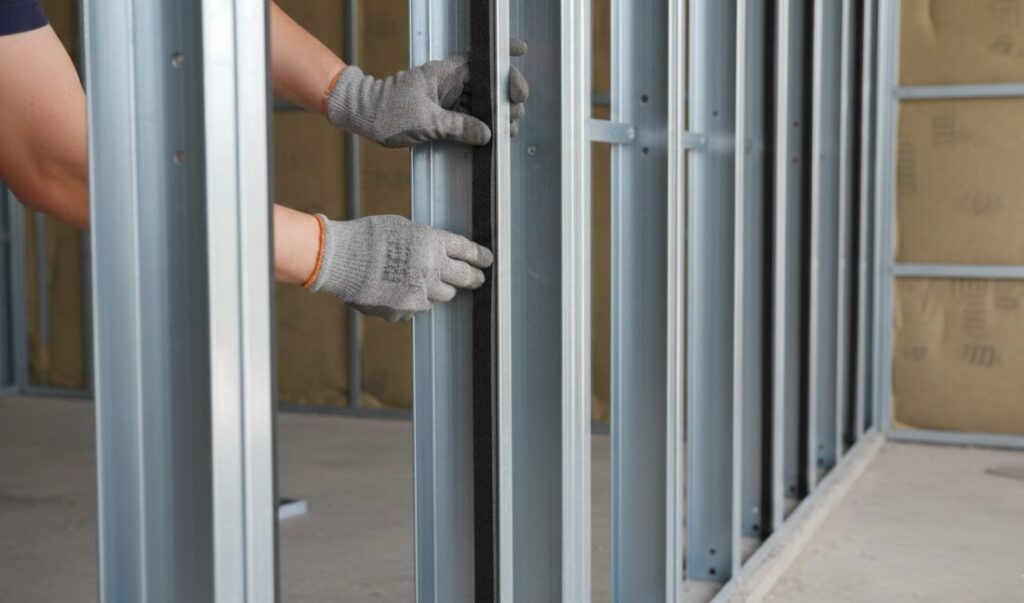
Playing with steel structures, the most technical flow and the easiest part to roll over is to deal with heat conduction. Steel conducts heat and cold much faster than wood, which brings the risk of “thermal bridge effect. If you don’t deal with it,your wall will be dew, followed by mold and rust. In order to plug this loophole, the bridge must be broken on the external framework. The most effective way is to stick high-density foam strips on every 1 of steel columns and rails facing outward. This layer of foam is a buffer strip, cutting off the path of outdoor temperature transmission to the steel frame. For the sake of the life of the house and energy efficiency, this step is not negotiable and must be done.
Step4: Structural Sealing Plate
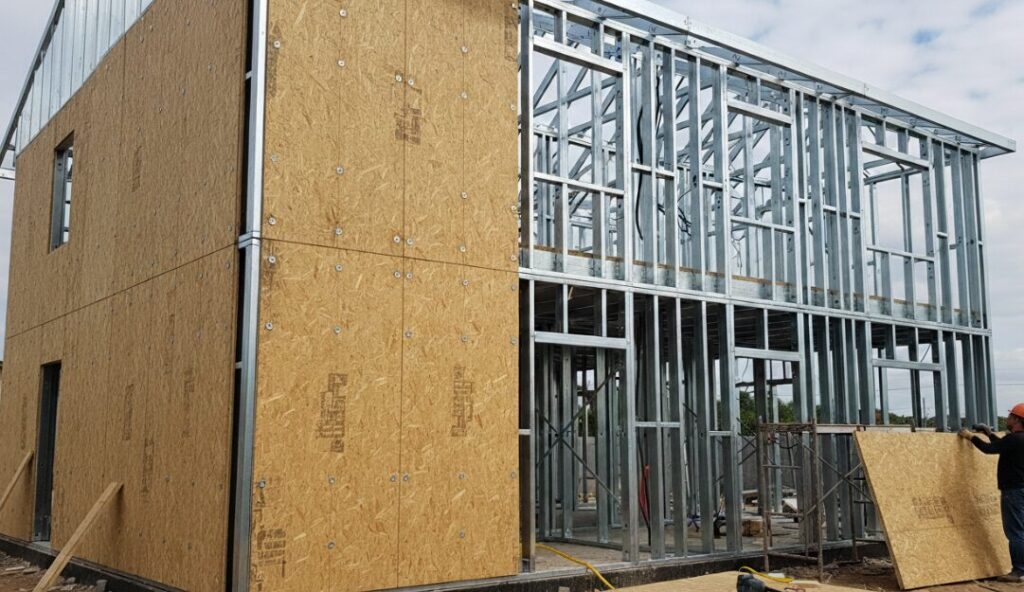
The final step is to put “skin” on the skeleton “. After the frame is erected and the thermal insulation bridge is completed, the board can be sealed. Commonly used materials are structural plywood or hard insulation boards. The sealing plate has two functions: the 1 is to find a backing for the outer wall hanging plate and the inner wall, and the 2 is to lock the steel frame into a rigid whole through cross support. At this time, the previous self-tapping screws had to be used to make them bite into the metal to build a solid hard shell.
Author:James Carter
Hi, I’m a specialized tiny house builder and metal framing expert. With over a decade of experience in modular construction, I focus on teaching DIYers how to build a steel frame tiny house efficiently. I advocate for the pre-engineered LGS kit method to ensure your mobile home is lightweight, perfectly straight, and durable enough for the road.
The prev: How To Anchor Steel Building To GroundThe next: How To Frame With Steel Studs
Related recommendations
-

What Are The Advantages And Disadvantages Of Steel Structures
21Discover The Pros, Cons, And ROI Of Steel Structures For Large Projects. Learn Key Fire And Corrosion Safety Solutions.
View details -
canopy for gas station
18Durable & Fast-Assembly Canopy For Gas Station From Gaoerji Source Factory. Custom Designs & Global Shipping.
View details -
Are Steel Frame Houses Noisy
220The Short Answer Is No. With Thermal Breaks And Proper Insulation, Steel Homes Are Quieter Than Wood.
View details -
Why Steel Structure Construction Is More Preferred
26Learn Why Commercial And Industrial Projects Choose Steel Structures For High Strength, Fast Peb Assembly, And Low Costs.
View details




HelloPlease log in