
 GAOERJI STEEL


Search
How Long Does Structural Steel Last
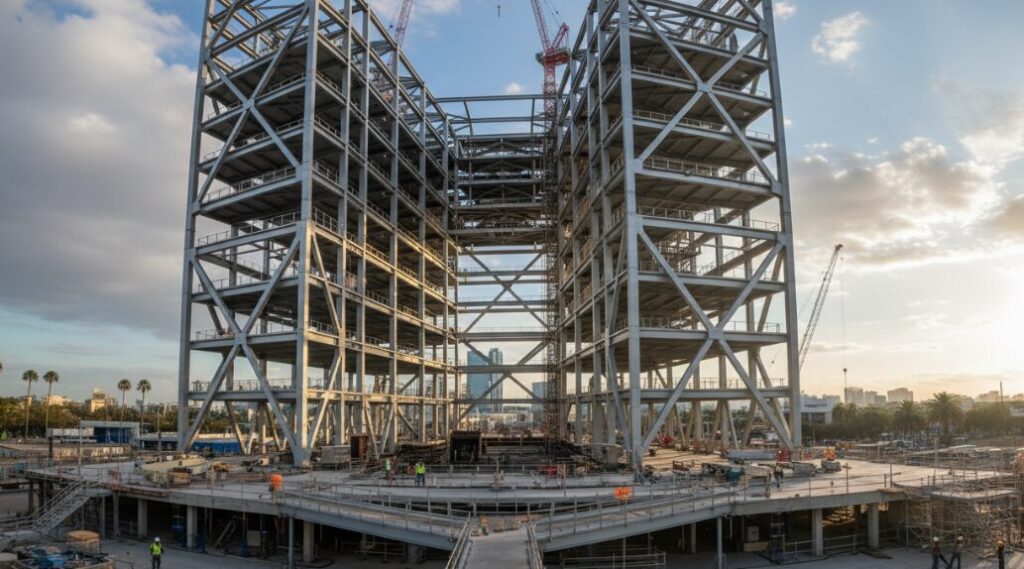
As long as it is not oxidized too far, the theoretical service life of structural steel can reach 50 to 100 years, or even longer.
The actual life of steel is the corrosion rate and “section loss” to the card. In a mild indoor environment, the corrosion resistance of steel is so strong that it can almost be counted as a permanent material; but on the other hand, if it is thrown into the salty wet seaside or high humidity industrial area, if there is no high-performance protection (Such as hot-dip galvanizing or special anti-corrosion coatings), its life may be directly reduced to 20 to 30 years. The longevity of the steel frame is not a dead number, but depends on your subsequent maintenance, environmental humidity and whether you are dead or not.
The core factors that determine the life of structural steel
Although everyone is used to taking 100 years as a benchmark when they are engaged in modern architecture, if you really want to reach this number, you must first understand the logic of steel degradation.
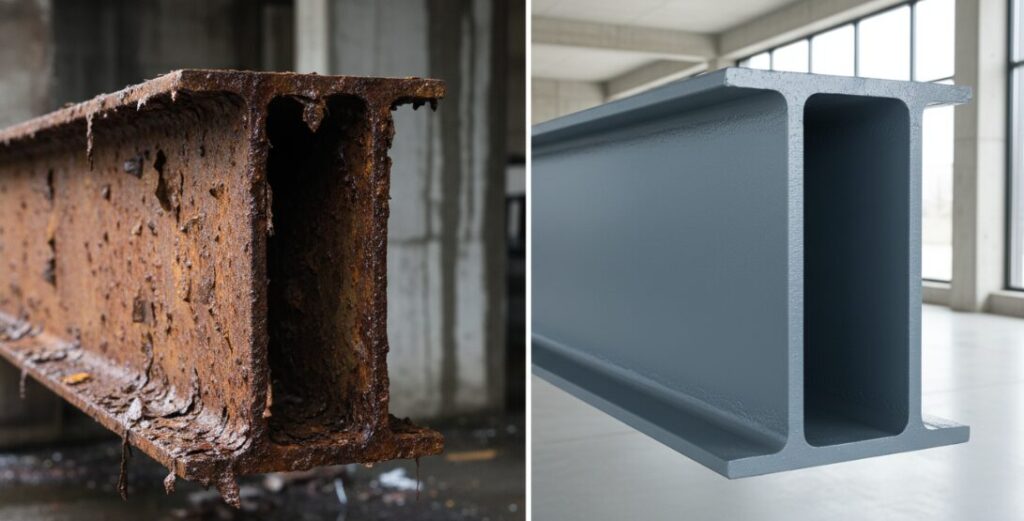
Steel is not the same as wood, it will not “rot”, it is afraid of oxidation. When the iron in the steel and oxygen, moisture on the eye, it will rust. If this is left unattended, the most fatal thing is that it will lead to “section loss”-that is, the thickness of the steel member becomes thinner. Once the thickness drops, the bearing capacity of the entire structure is suspended.
With reference to the AISC guidelines, if you want to make the steel structure live for a century, the core is to keep its “design thickness”. As long as you can control the environment or isolate the steel from corrosive elements, the metallurgical properties of the steel itself are actually extremely stable and can theoretically last forever.
Environmental Impact
To judge how long a steel structure can live, the geographical location and micro environment of the building are the biggest variables.
Controlled indoor environment: In commercial or residential buildings with air conditioning and low humidity, the corrosion rate is negligible. The steel components sealed in gypsum board or fireproof paint are actually “immortal”. Often the life of the building itself is over, and the steel is still the same as the new one.
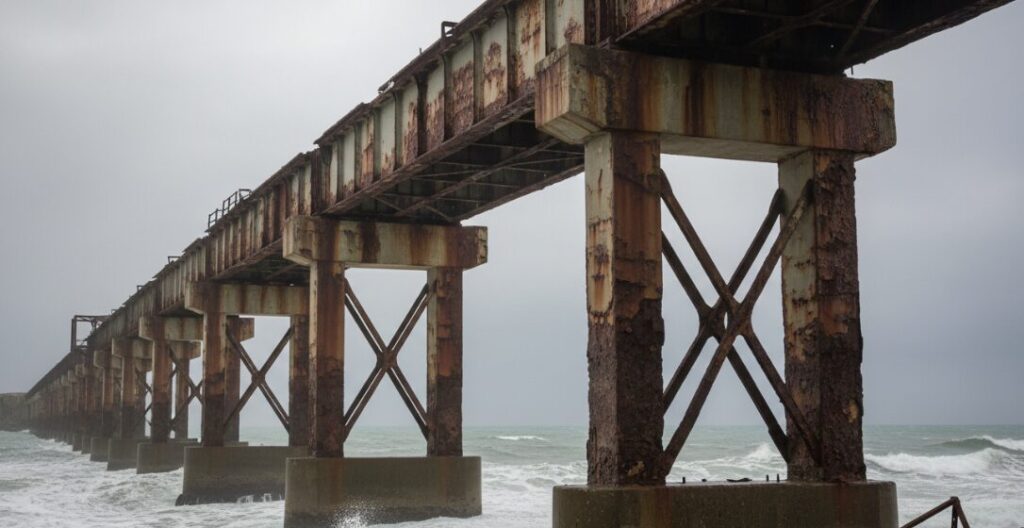
Harsh waterfronts and industrial areas: that’s a different story. If you are near the sea (high chloride ion environment) or industrial pollution area, the oxidation process will be like an accelerator. If the protective layer fails, the steel structure without “bulletproof vest” may suffer serious cross-sectional loss within 20 to 30 years and be scrapped directly.
Coatings And ASTM Standards
In order to pull the 20-year short-lived ghost back to the 100-year longevity state, the industry relies on high-performance protection systems.
Hot Dip Galvanizing: This is to wear a layer of zinc on the steel. The zinc will corrode first as a sacrificial anode, thus preserving the steel inside. In outdoor or humid environments, hot-dip galvanizing is recognized as the “gold standard” and can provide more than 50 years of maintenance-free life.
Professional anti-corrosion coatings: such as high-performance epoxy resin or polyurethane coating. This system relies on physical barriers to keep out moisture. This scheme is essential for structural shelves that are too large to enter the galvanized pool.
Weathering steel: In some specific places, we will use this special alloy, which can form a stable layer of rust-like protective film to block deep corrosion.
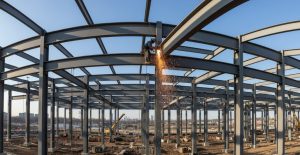
Steel Structure Workshop
Steel Structure Workshops offer versatile designs. Clear Span ensures unobstructed space, while Centre and Intermediate Columns provide economical solutions for wide spans.
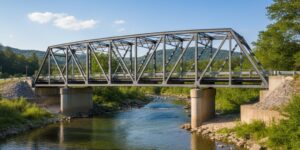
Bridge/Steel Structure Bridgeipsum
Steel Structure Bridges utilize high strength-to-weight ratios to achieve long spans where intermediate supports are difficult.Their versatility makes them essential for critical infrastructure connectivity.
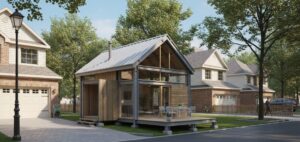
Steel Structure Buildings
Steel Structure Buildings feature versatile designs to meet diverse needs. Clear Span offers open space, while Centre and Intermediate Columns increase economy for large spans. Multi Gable accommodates complex widths.
Role Of Maintenance And Structural Integrity
The life of the steel frame is actually a “variable function”, which depends on the management of the life cycle.
The active maintenance planning is very important. You have to keep an eye on whether there are coating failures or leaks and find signs as early as possible. Through regular professional inspections and re-coating the protective layer according to environmental wear, the actual life of the steel structure is often much longer than the original design life.
Following the AISC framework, structural steel is undoubtedly the most durable and time-tested choice for modern infrastructure, as long as we select the right materials, respond to the environment, and adhere to strict protection standards.
Author: David Miller
“I am a structural engineering consultant with extensive experience in managing large-scale, environmentally controlled commercial construction projects. Throughout my career, I have witnessed firsthand how steel can either serve as a permanent structural foundation for over a century or degrade prematurely due to environmental neglect. My expertise lies in navigating the complexities of corrosion rates, section loss, and the implementation of AISC and ASTM protection standards.”
The prev: How To Protect Structural Steel From CorrosionThe next: Are Steel Structures Eco-Friendly
Related recommendations
-

canopy steel structure
8Durable Gaoerji Canopy Steel Structure. Modular Design, Factory Prices & Fast Install. Ideal For Commercial Projects.
View details -
Are Steel Frame Houses Noisy
220The Short Answer Is No. With Thermal Breaks And Proper Insulation, Steel Homes Are Quieter Than Wood.
View details -
How Long Does Hot Dipped Galvanized Steel Last
9Learn Why Hot-Dip Galvanized Steel Lasts 50-100 Years. Explore TFM, ASTM A123 Standards, And ROI For Industries.
View details -
What Type Of Steel Is Structural Steel
25Learn What Structural Steel Is, The Differences Between ASTM A36 And A992, And Why These Grades Are Essential For Building Safety.
View details

HelloPlease log in