 GAOERJI STEEL


Search
Bespoke Steel Fabrications: Premium Industrial Solutions
Bespoke steel fabrications deliver precisely engineered structural components manufactured to exact load-bearing and geometric tolerances that standard off-the-shelf metals cannot support. High-end B2B procurement managers require custom steel fabricate products to eliminate catastrophic structural failures and prevent costly assembly delays in extreme industrial environments. Most buyers waste capital by specifying physical dimensions without dictating strict metallurgical controls to the fabricator. We detail the exact technical frameworks, hidden procurement traps, and 2026 manufacturing technologies required to secure premium custom steel fabrications.
The L-E-M Triad Protocol For Evaluating High-End Fabricators
Evaluating fabrication partners demands a strict technical framework rather than relying on basic dimensional checks or pricing proposals. The L-E-M (Load-Environment-Metallurgy) Triad Protocol strips the ambiguity out of sourcing complex metal structures.
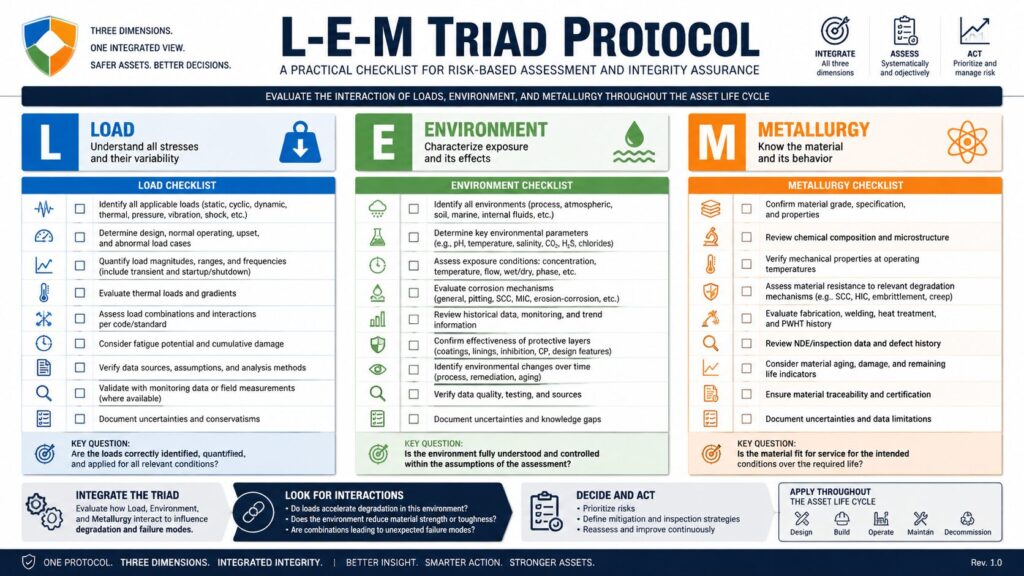
Load dynamics dictate the grain direction during the initial CNC plasma cutting phase. Transverse forces applied against the steel’s natural grain structure drastically reduce the component’s integrity under heavy cyclic stress. Expert engineers map out exact directional stresses before nesting the cutting layout for custom steel fabricate products.
Environmental mapping determines the precise anti-corrosion coating sequence applied to the finished structure. Specifying a standard epoxy primer for offshore bespoke steel fabrications guarantees rapid localized oxidation. Heavy-duty applications require strict SA 2.5 shot-blasting followed by multi-layered polysiloxane topcoats to block aggressive chloride attacks.
Metallurgical traceability protects your regulatory compliance audit status. Every piece of raw structural plate demands full mill certification tracking (EN 10204 Type 3.1) from the steel foundry to the final welded joint. Top-tier manufacturers utilize digital stamping to ensure zero counterfeit materials enter the load-bearing supply chain.
2 Fatal Procurement Traps In Custom Steel Fabrications
Industrial buyers destroy heavy engineering project budgets by missing subtle material science details during the vendor specification phase. Identifying these specific metallurgical blind spots separates seasoned engineering procurement from risky purchasing behavior.
Standard Procurement vs. Expert Engineering Specs in Custom Steel Fabrications
| Evaluation Dimension | Standard Procurement (Risky Purchasing) | Expert Engineering Specs (Seasoned Procurement) |
| Load Dynamics & Grain Structure (Cyclic Stress & Impact Resistance) | Ignores natural grain structure during CNC plasma cutting; vulnerable to transverse forces, drastically reducing component integrity under heavy cyclic stress. | Maps out exact directional stresses before nesting the cutting layout; dictates cutting direction to align with the steel’s natural grain for maximum load endurance. |
| Coating System & Surface Treatment (Electrochemical Isolation) | Specifies standard epoxy primers (which guarantees rapid localized oxidation and failure in offshore/harsh environments). | Utilizes environmental mapping; mandates strict SA 2.5 shot-blasting followed by multi-layered polysiloxane topcoats to block aggressive chloride attacks. |
| Metallurgical Traceability & Compliance | Lacks rigorous tracking, creating blind spots that expose the supply chain to counterfeit load-bearing materials and regulatory audit failures. | Demands full EN 10204 Type 3.1 mill certification tracking from the foundry to the final welded joint, utilizing digital stamping for zero-counterfeit assurance. |
| Procurement Strategy & Budget Risk | Misses subtle material science details during the vendor specification phase, ultimately destroying heavy engineering project budgets. | Identifies specific metallurgical blind spots proactively, protecting budgets and ensuring structural compliance through seasoned engineering oversight. |
Galvanic corrosion destroys multi-metal industrial assemblies within months of installation. Connecting stainless steel piping directly to carbon steel fabricated skids without dielectric isolation plates causes rapid electrochemical decay. Expert fabricators integrate specific Teflon or neoprene barrier layers into the design to completely neutralize this galvanic transfer.
Accepting “equivalent” steel grade substitutions leads to catastrophic brittle fractures in cold climates. Procurement teams frequently accept standard S275 carbon steel to cut costs, ignoring the critical Charpy V-Notch (CVN) impact testing required for sub-zero operations. Custom structural components must utilize impact-tested grades like S355J2 to guarantee the steel yields safely rather than shattering under sudden mechanical shock.
2026 Fabrication Tech: Generative Design & WAAM
Modern industrial environments demand complex load-bearing geometries that traditional manual cutting and welding cannot produce efficiently. Top-tier metalworking facilities now rely on heavy automated manufacturing technologies to build massive structural nodes.
Generative design software calculates the absolute optimal structural shape required for specific load parameters before actual manufacturing begins. Engineers feed stress metrics into AI-driven platforms, which strip away unnecessary material mass from custom steel fabricate products. This mathematical modeling drastically lowers the final component weight without sacrificing a single megapascal of yield strength.
Wire Arc Additive Manufacturing (WAAM) 3D-prints large-scale custom steel fabrications directly from CAD files. This process builds complex, heavy-duty structural joints layer by layer using an automated welding arc and metal wire. Procurement teams sourcing heavy infrastructure nodes via WAAM eliminate the need for expensive, time-consuming casting molds.
Field Data: 65% Faster Erection In Petrochemical Skids
Theoretical engineering capabilities require verified field performance data to prove actual return on investment. A major Gulf Coast petrochemical refinery faced massive shutdown costs due to misaligned standard structural pipe supports failing during thermal expansion.
“Switching our entire piping support network to hyper-accurate bespoke steel fabrications cut our site erection time by exactly 65%. We eliminated all hot-work modifications on the scaffolding.” — Lead Construction Engineer, Gulf Coast Petrochemical.
The fabrication team utilized 3D terrestrial laser scanning to map the existing concrete infrastructure perfectly. They manufactured highly customized, skid-mounted steel support structures with sub-millimeter tolerances. By executing 100% of the complex welding and stress-relief protocols inside the controlled shop environment, the final custom steel fabricate products dropped perfectly onto the existing anchor bolts.
Technical FAQs (People Also Ask)
How do bespoke steel fabrications reduce overall project costs?
Bespoke steel fabrications reduce costs by arriving at the construction site with exact sub-millimeter tolerances, completely eliminating the need for expensive field welding, cutting, and structural modifications during erection.
What documentation must accompany custom steel fabricate products?
Custom steel fabricate products must ship with EN 10204 Type 3.1 material test reports (MTRs), dimensional inspection logs, and comprehensive Non-Destructive Testing (NDT) reports for all critical load-bearing welds.
Why is yield strength critical in custom steel fabrications?
Yield strength defines the exact amount of mechanical stress a fabricated steel component can absorb before it suffers permanent plastic deformation and structural failure.
How do fabricators prevent thermal distortion during heavy welding?
Fabricators prevent thermal distortion by using specialized rigid jigging systems, pre-heating the steel plates, and executing balanced weld sequencing to evenly distribute heat input across the entire assembly.
What is the difference between S275 and S355 in custom steel fabrication?
S355 delivers a significantly higher minimum yield strength (355 MPa) compared to S275 (275 MPa), making S355 the mandatory choice for heavy industrial skids, crane girders, and offshore structures.
How does shot blasting improve custom metal structures?
Shot blasting physically removes mill scale and creates a jagged microscopic surface profile (typically SA 2.5), allowing heavy-duty industrial primers to mechanically lock into the steel for permanent corrosion protection.ated parts actually warp over time during machining or field use as the internal residual stresses naturally try to release themselves.