 GAOERJI STEEL


Search
Metal Building Insulation : Material Type And Cost
In metal buildings, when temperature differences between the interior and exterior cause heat transfer, steel—which directly connects the exterior cladding to the interior structure—rapidly conducts heat out in winter and into the building in summer. Without a physical thermal break at the connection points, the local temperature of the interior surface can quickly drop below the dew point of the indoor air.
Metal buildings are highly favored in modern industry due to their low cost, rapid construction, and large spans; however, from a thermodynamic perspective, steel structures are extremely vulnerable. Steel has a thermal conductivity as high as
50W/(m⋅K)50W/(m⋅K), whereas typical insulation materials range from
0.03–0.04W/(m⋅K)0.03–0.04W/(m⋅K). This vast disparity means that if the insulation system is poorly designed, the metal framework will act as a “superhighway” for heat.
At the same time, condensation is also destructive in metal insulated buildings. Moisture accumulating on steel surfaces can lead to electrochemical corrosion, weakening structural integrity. Worse still, if moisture penetrates fibrous insulation materials such as fiberglass, the internal air layers are displaced by water, causing the material to instantly lose its insulating properties (water’s thermal conductivity is approximately 25 times that of air).
Thermal Loss in Steel-Frame Buildings Due to Condensation:
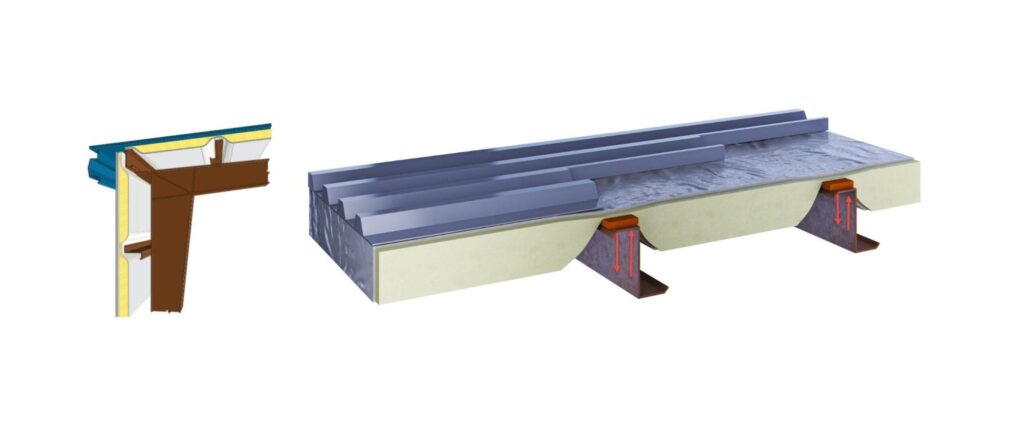
In a construction project for a large-scale cold chain distribution center, the design team specified a high-performance fiberglass insulation system with a nominal R-value of 30. Upon completion of construction, despite outdoor temperatures of only -10°C and a constant indoor temperature of 4°C, the facility maintenance manager discovered, during a routine inspection, neat “condensation teardrops” forming along the lines of all steel support beams on the roof. These teardrops not only dampened the high-value electronic products stored below but also caused minor blistering in the freshly applied anti-rust paint. According to calculations, this temperature difference was far below the dew point, yet the physical reality was challenging the initial engineering calculations.
Misconceptions in Material Selection:
The on-site engineer initially believed the insulation had failed due to moisture absorption, so he replaced it with a higher-density insulation mat and increased the thickness of the covering layer. However, the situation did not improve. During subsequent infrared thermal imaging scans, the scanner revealed a startling sight: beneath the insulation, the steel purlins forming the building’s framework appeared as blindingly bright yellow. They acted like “heat-absorbing tubes” inserted into the building’s interior, bypassing the 10-inch-thick insulation layer entirely and frantically conducting indoor heat to the cold outdoors. This energy loss did not occur through the insulation material itself, but rather through the structural supports that were tightly bolted to the metal panels.
The Root of the Cost Discrepancy:
The root of this problem lies in the fact that simply increasing the nominal R-value of insulation does not linearly improve overall thermal performance. Instead, thicker materials can increase installation pressure, further compressing the contact area at joints and exacerbating heat loss. In the final retrofit plan, engineers did not continue to increase the thickness of the insulation layer; instead, they introduced a special structural isolation spacer to completely separate the metal panels from the internal support structure. Although this measure increased material procurement costs by 15%, it reduced the building’s actual energy consumption by 40% and completely eliminated condensation. This case demonstrates that in metal insulated buildings, the most costly energy losses often occur at those overlooked “hard connection” points.
Thermal Challenges in Metal Buildings: Why “Nominal R-Values” Are Misleading
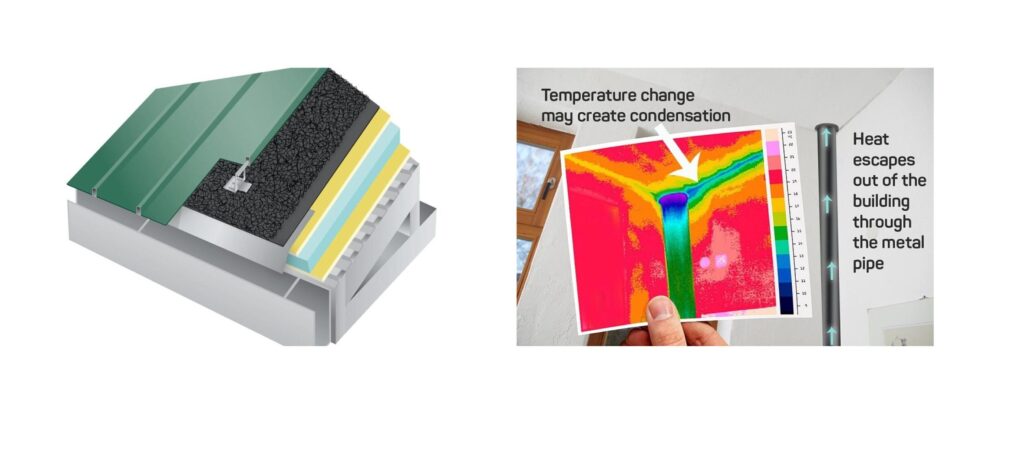
When evaluating the thermal performance of metal buildings, relying solely on the nominal thermal resistance values listed on material labels often leads to serious engineering errors. Nominal thermal resistance values represent only the thermal resistance of insulation materials under ideal laboratory conditions. However, real buildings are filled with highly conductive components such as steel columns, purlins, and fasteners. Because steel has an extremely high thermal conductivity, thermal bridging creates “shortcuts” for heat loss. This not only drastically reduces the effective thermal resistance of the entire assembly—sometimes by as much as 70%—but also renders designs that blindly pursue nominal parameters meaningless. Therefore, the primary task in thermal insulation design for metal buildings is to eliminate thermal bridges and focus on the effective thermal performance of the entire system.
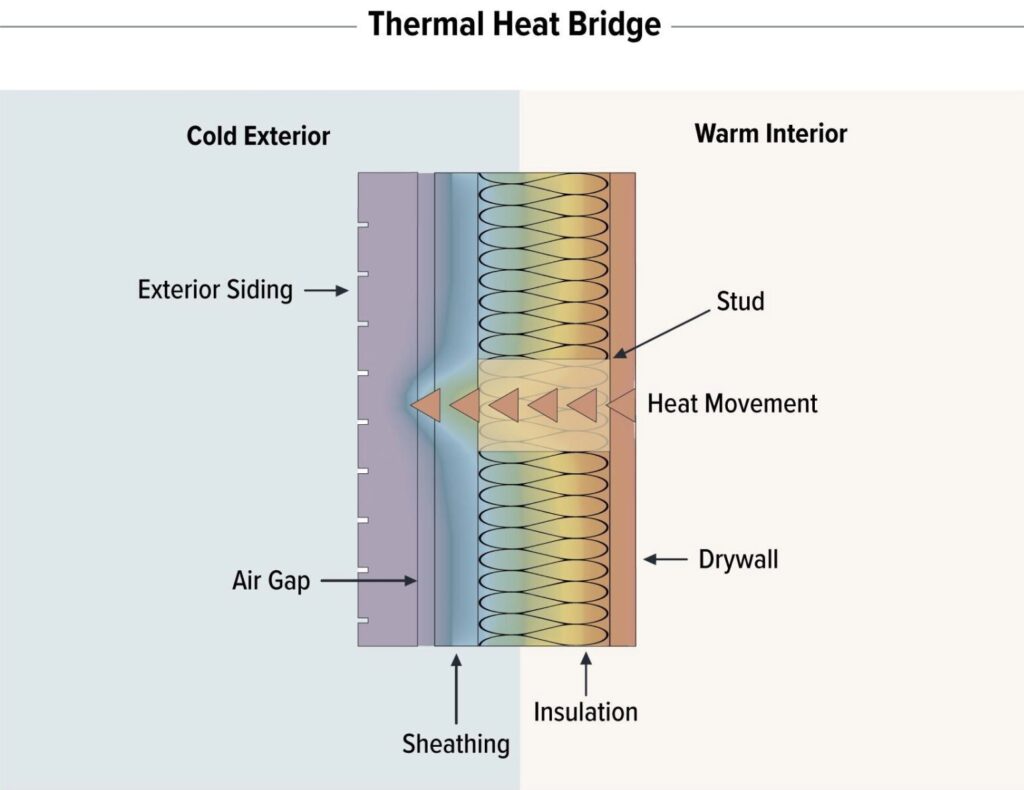
The Synergistic Effects of Heat Conduction, Convection, and Radiation in insulation steel building
Heat loss in buildings does not occur through a single pathway but rather through the complex interaction of three physical mechanisms. Steel acts as a “highway” for heat conduction, with a thermal conductivity approximately 400 times that of wood. When heat is conducted through metal purlins into the interior, it heats the surrounding air, triggering thermal convection and causing heat to rapidly escape through air circulation within the building cavity. Simultaneously, the heated metal panels directly radiate thermal energy into the interior space. Therefore, a qualified insulation for metal system must simultaneously block conduction pathways, seal convection gaps, and effectively reflect or absorb radiant heat.
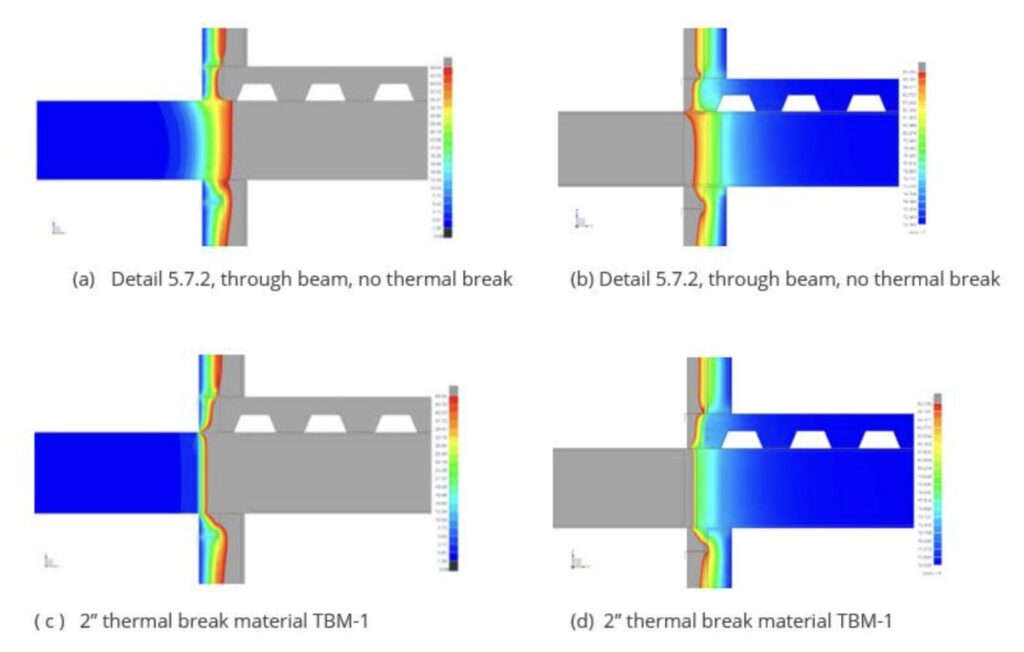
Condensation: The “Silent Killer” of insulation steel buildings’ Long-Term Durability
Even more destructive than heat loss is the problem of condensation. When warm, humid indoor air comes into contact with cold metal walls or roofs in winter, moisture condenses into water droplets. This condensation not only causes electrochemical corrosion of the core steel structure but also seeps into porous insulation materials. Once liquid water replaces the still air within the material, thermal insulation performance is instantly compromised, triggering a chain reaction of disasters such as mold growth and structural collapse of the metal building insulation system.
Dew Point Temperature and Analysis of the Building Envelope’s Moisture and Heat Performance
To fundamentally resolve condensation issues, precise moisture and heat control based on dew point temperature is essential. The dew point is the critical temperature at which air reaches saturation and releases liquid water. The core defense in design lies in the strict installation of a continuous vapor barrier(metal building insulation system) on the warm side of the building envelope. This completely blocks the migration of high-pressure water vapor from the interior to the cold outer surface below the dew point temperature, thereby preventing hidden condensation at the microscopic physical level.
In-Depth Comparison of Core Materials for Steel Building Insulation Systems
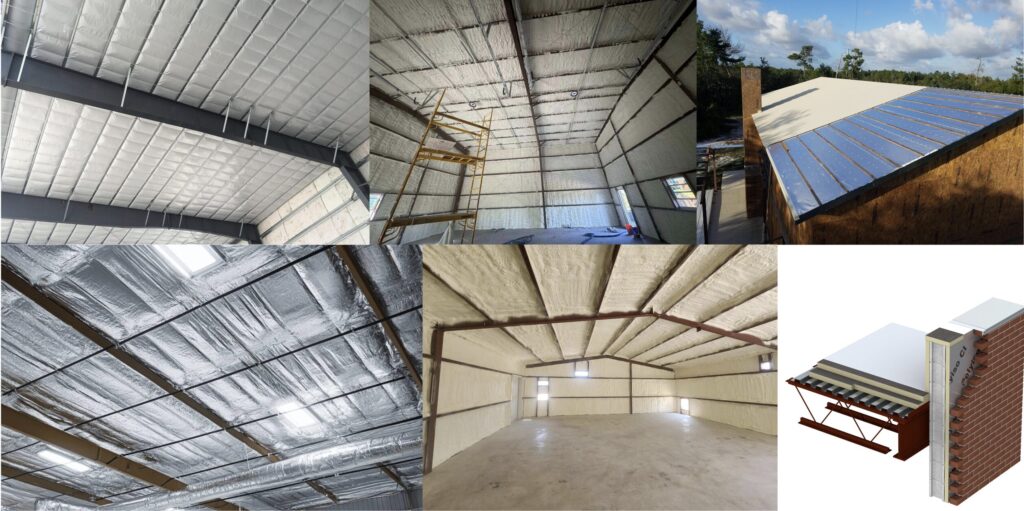
Faced with how to insulate a metal building, types of insulation for metal buildings solutions have emerged on the market. Understanding metal insulated buildings core advantages and application limits is a critical decision for achieving a high return on investment.
Fiberglass Insulation Rolls: Balancing Low Cost and High-Performance Continuous Lining Systems
Fiberglass holds the largest market share due to its extremely low metal building insulation cost. However, when installed using traditional flat-laying and compression methods, its thickness is severely compressed at the purlins, causing a drastic drop in thermal resistance. To restore its performance, the modern mainstream approach is to use a continuous lining system. This metal building insulation system involves laying a layer of high-strength, continuous vapor barrier fabric beneath the steel frame to completely isolate the steel from the interior space, followed by the installation of glass fiber without compressing the material. This steel building insulation options significantly enhances effective thermal resistance while minimizing the effort required for seam sealing, making it the preferred choice for balancing cost-effectiveness and regulatory compliance.
Closed-Cell Sprayed Polyurethane Foam (ccSPF): The Ultimate Solution for Airtightness and Structural Reinforcement
Closed-cell sprayed polyurethane foam is the ultimate solution for extreme climates and complex, irregular structures. metal building insulation tape expands instantly upon application, tightly sealing any gaps, and after curing, naturally forms a barrier that combines ultra-high thermal resistance with seamless moisture protection. Even more revolutionary is that the high-density foam firmly bonds the metal exterior panels to the load-bearing framework. Tests have shown that this “bonding” effect can increase the wall’s shear resistance by approximately 300%, providing exceptional structural reinforcement to help buildings withstand high winds.
Polyisocyanurate (Polyiso) Rigid Foam Board: A Fire-Resistant, High-R-Value Solution for Commercial Buildings
For commercial centers with limited space and stringent fire safety standards, polyisocyanurate rigid foam boards offer the perfect solution. With exceptionally high thermal resistance for its thickness, it is typically applied directly to the exterior of metal frames, forming a continuous insulating barrier that effectively blocks thermal bridges. Furthermore, insulation for metal building walls carbonizes on the surface when exposed to high-temperature flames, forming a robust insulating char layer that slows the spread of fire and easily passes the most stringent commercial fire-resistance tests.
Radiant Barrier Layers and Reflective Materials: The Core of Energy Efficiency in Hot Climates
In hot regions with intense sunlight, traditional bulk insulation materials often reach their performance limits, making radiant barrier layers the cornerstone of energy efficiency. High-purity reflective aluminum foil can reflect up to 97% of infrared heat radiation directly back into the external environment. However, this is effective only when the foil faces a stationary air gap. In practical applications, it is often used in conjunction with traditional insulation wool—the aluminum foil on the outer layer blocks the initial wave of electromagnetic radiation, while the insulation wool on the inner layer absorbs residual heat conduction. Together, metal building insulation kit work synergistically to create a cool indoor microclimate.
Insulated Metal Sandwich Panels (IMP): The Trend Toward Integrated Enclosures in pre engineered steel structure
In the cold chain logistics and high-end manufacturing sectors, where temperature and humidity control are of the utmost importance, insulated metal sandwich panels represent the future of modular construction. These factory-prefabricated panels seamlessly bond high-strength metal facings with an ultra-high-density polyurethane or mineral wool core. During installation, the panels simply interlock like building blocks, instantly completing the installation of the structural shell, vapor barrier, continuous insulation layer, and interior and exterior finishes all at once. This not only completely eliminates the risks of thermal bridges and sealing errors associated with on-site construction but also significantly shortens the construction cycle, making it the ultimate enclosure solution for modern high-performance industrial buildings.
Industrial Engineering Perspective: Effective Thermal Resistance and Thermal Bridge Break Technology
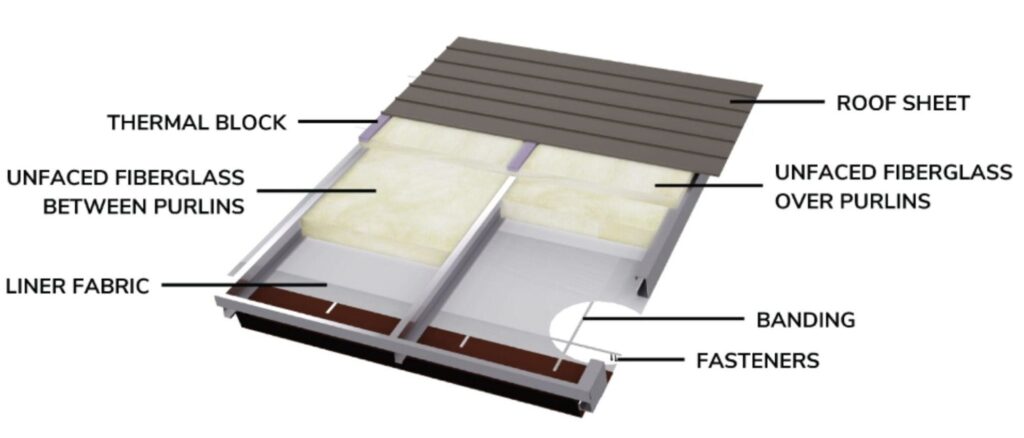
Metal building envelope systems are defined in industrial engineering as precision thermodynamic management systems. Steel has an extremely high thermal conductivity, making it very easy for heat to escape through the components. The calculation of effective thermal resistance must comprehensively account for purlins and fasteners that penetrate the insulation layer, rather than relying solely on the material’s nominal values. Thermal bridging effects typically reduce the actual thermal resistance of the assembly by 30% to 70%.
Case Study: Why Expensive Insulation Still Fails to Prevent “Condensation Tears”
Audit data from high-humidity industrial facilities shows that buildings equipped with high-thermal-resistance systems rated at R-30 or higher still experience condensation on purlins during winter. Condensation is caused by a combination of hidden condensation and insulation failure. Traditional compression installation methods reduce the thickness of fiberglass insulation at purlin junctions to near zero, causing local temperatures to drop below the dew point. Once moisture penetrates, it displaces the air between the fibers, causing thermal resistance to collapse due to water’s high thermal conductivity.
Analysis of Thermal Bridge Effects
Mechanisms of Heat Loss at Purlins and Fasteners: In metal buildings, thermal bridge heat loss is categorized into linear and point thermal bridges.
Impact of Linear Thermal Bridges
The orientation of the purlins directly determines the system’s effective thermal resistance. Vertically arranged steel purlins reduce insulation efficiency by approximately 52%. Switching to composite thermal break purlins with extremely low thermal conductivity allows the system to approach its nominal performance.
Impact of Point Thermal Bridges
Fasteners, acting as connection points, create a micro-scale heat convergence effect. When fastener density reaches 0.5 per square foot, heat loss increases by 7% to 17% even with continuous insulation. Using fasteners with insulated heads or plastic washers can reduce such losses by approximately 70%.
Insulation Spacers and Continuous Insulation Layers
A Key Role in Enhancing Effective R-Value Insulation spacer technology and continuous insulation systems are core strategies for combating thermal bridge heat loss.
Function of Insulation Spacers
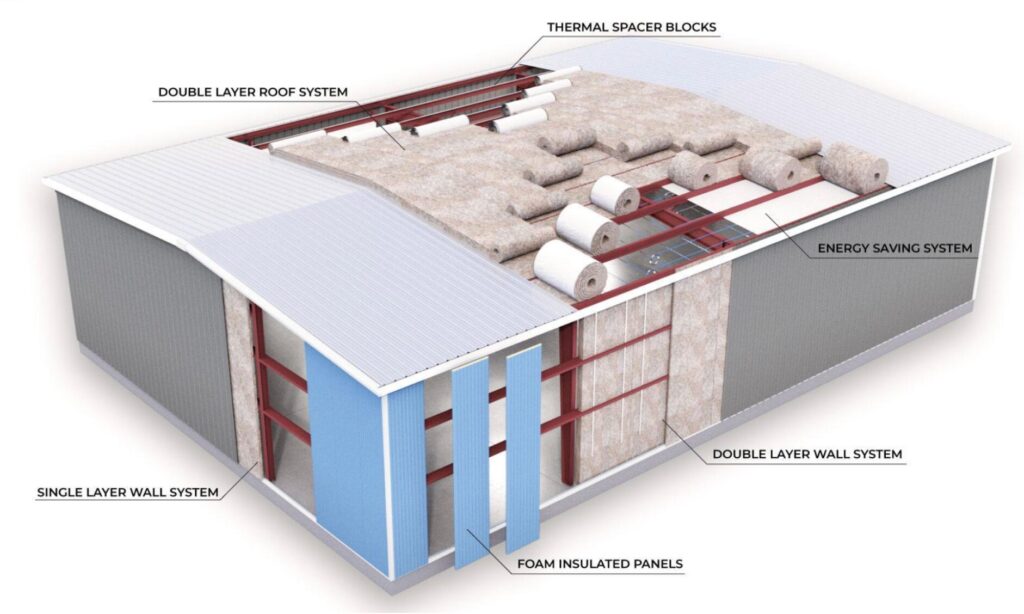
These high-density rigid spacers are installed between the purlins and the sheathing to provide physical separation and thickness compensation. A 1-inch-thick spacer provides approximately R-6 thermal resistance and prevents fiber insulation from being over-compressed during installation. The addition of spacers can nearly double the overall U-value of a traditional system.
Implementation of Continuous steel insulation
Continuous insulation eliminates thermal bridges by covering all structural points and has now become a mandatory standard in regions with severe cold climates. Common implementation methods include applying rigid foam boards to the exterior, spraying closed-cell polyurethane, and using an interior lining system combined with thick layers of insulation batting.
Cost Analysis and Budgeting Guide for 2025–2026
The cost assessment for the metal building insulation market in 2025–2026 is shifting toward total cost of ownership over the entire lifecycle. Labor costs and energy regulations are the primary drivers influencing investment structures.
Comparison of Material and Labor Costs per Square Foot for Different metal building insulation Materials
Market data from 2026 shows a tiered distribution in the unit prices of different insulation solutions:
| Steel Insulation System Type | Material Unit Price (Per Sq Ft) | Labor Cost (Per Sq Ft) | Comprehensive Unit Price (2026 Forecast) |
| Standard Fiberglass Blanket | $0.25 – $0.50 | $0.40 – $0.80 | $0.65 – $1.30 |
| Closed-Cell Spray Polyurethane Foam | $1.20 – $2.10 | $0.80 – $1.40 | $2.00 – $3.50 |
| Polyisocyanurate Rigid Board | $0.55 – $0.95 | $0.45 – $1.00 | $1.00 – $1.95 |
| Liner System (R-30) | $0.60 – $1.10 | $0.70 – $1.40 | $1.30 – $2.50 |
| Insulated Metal Panels | $4.50 – $8.00 | $1.50 – $3.50 | $6.00 – $11.50 |
Comparison of Material and Labor Costs per Square Foot for Different Materials (lyt-metal building insulation)
Market data for 2026 shows a tiered distribution in unit prices for different insulation solutions.
Large-scale projects typically benefit from economies of scale, resulting in a 15% to 20% reduction in unit costs. Closed-cell spray foam offers a stronger cost advantage when addressing complex structures due to its high installation efficiency.
Impact of Regional Energy Regulations (ASHRAE 90.1) on Return on Investment (ROI)
The latest ASHRAE 90.1 standards have significantly raised U-value requirements, particularly by prohibiting simplified compression installation methods in cold regions. Buildings compliant with the new standards can achieve energy cost reductions of 8.9% to 18.6%. In cold regions, upgrading the insulation system to a continuous R-30 layer typically recoups the cost premium through energy savings within 3.5 to 5 years. Improved envelope performance also allows for the selection of smaller-capacity HVAC equipment, and these savings can offset approximately 40% of the insulation upgrade costs.
metal building insulation Maintenance Costs and Total Cost of Ownership (TCO) Estimates
The total cost of ownership model covers initial installation, annual maintenance, energy expenses, and potential system repair costs.
Unexpected Expenses for Mold Remediation
The average cost of mold remediation resulting from steel insulation failure ranges from $10 to $32 per square foot. Severe repair bills for a medium-sized facility can reach as high as $50,000 to $120,000.
Long-Term Economic Analysis
Over a 30-year lifecycle, selecting a high-airtightness system can save approximately 45% in cumulative costs compared to lower-cost alternatives. Budget strategies for the 2025–2026 fiscal years should prioritize thermal bridge mitigation, as this investment yields significant returns over the asset’s long-term lifespan.
Decision Support: Best Practices for Different B2B Applications
The uses of metal buildings span a wide spectrum, ranging from high-humidity livestock barns (structural steel canopy) to high-precision manufacturing facilities (steel arch buildings). This requires that insulation system design shift from generic R-value metrics to application-centric performance optimization. The sensitivity of different business scenarios to environmental parameters determines the priority of material selection.
Insulation Priorities for steel farm buildings and Climate-Controlled Livestock Structures
Agricultural environments pose significant chemical challenges to insulation systems, particularly due to the presence of corrosive gases such as ammonia and methane. In poultry houses, pig barns, or dairy processing facilities, ammonia concentrations from livestock emissions can reach up to 14 milligrams per cubic meter. This highly alkaline environment accelerates the degradation of conventional insulation steel insulation material surfaces. Closed-cell spray polyurethane foam and specially designed polyisocyanurate sandwich panels, due to their dense molecular structure and extremely low water vapor permeability, effectively prevent these corrosive gases from penetrating the surface of metal insulated buildings, thereby avoiding hidden structural corrosion.
Physical protection for livestock buildings is also a critical aspect of design, particularly in preventing biological damage. The Tuff Face insulation blanket, commonly used in steel farm buildings, features a reinforced cross-linked laminate facing. This design is specifically optimized to resist bird pecking and is known as a bird-resistant facing. Since birds frequently attempt to strip away insulation material for nesting, this enhanced mechanical strength is critical for maintaining the integrity of the insulation layer.
Radiant heat management in summer directly impacts the productivity and survival rates of livestock and poultry. Metal roofs can absorb significant solar radiation under direct sunlight, causing surface temperatures to exceed ambient temperatures by 40 to 60 degrees Fahrenheit. In non-climate-controlled barns, radiant heat gain accounts for over 93% of total heat gain during the summer.
The introduction of a radiant barrier capable of reflecting more than 95% of radiant heat can significantly reduce heat stress in animals, which not only reduces the electrical load on ventilation equipment but also improves feed conversion efficiency. In the event of a power outage that causes forced ventilation to fail, this ability to control radiant heat provides critical buffer time for asset protection.
| Performance Parameter | Livestock Building Requirement | Recommended Material Solution | Technical Advantage |
| Chemical Resistance | Extremely high (resistant to ammonia and hydrogen sulfide) | Thermano Agro or PIR sandwich panels | 50-micron aluminum foil facing provides a chemical barrier |
| Moisture Resistance | Closed-cell structure, water absorption < 2% | Closed-cell spray polyurethane foam (ccSPF) | Prevents condensation accumulation in high-humidity environments |
| Biological Protection | Peck-resistant, rodent-resistant | Reinforced laminated faced insulation blankets | Reduces material loss and replacement frequency |
| Thermal Efficiency | Thermal conductivity approx. 0.023 W/mK | Rigid polyisocyanurate (PIR) boards | Maximizes thermal efficiency in limited spaces |
High Strength, Durability, and Sound Insulation Requirements for Industrial Manufacturing steel structure house building
Insulation systems in industrial manufacturing environments must be able to withstand frequent mechanical impacts and address acoustic disturbances caused by the operation of large machinery. On the ground-floor walls of manufacturing workshops, physical impacts from forklift operations or the movement of heavy pallets are commonplace, requiring insulation systems to possess extremely high compressive strength and a resilient outer protective layer. Using an Exterior Insulation and Finish System (EIFS) with 100% acrylic adhesive and embedded high-density fiberglass-reinforced mesh can effectively enhance the impact resistance of these areas.
Acoustic control is equally critical for compliance and worker well-being in industrial applications. Hard surfaces inside light-insulated metal buildings can cause severe sound reflection and reverberation, potentially leading to occupational hearing loss in high-decibel production lines. Mineral wool and fiberglass lining systems with a thickness exceeding 4 inches demonstrate exceptional sound absorption capabilities in the mid-frequency range of 250 to 2,000 Hz, with noise reduction coefficients typically exceeding 0.90. This means that 90% of impact sound energy is captured by the insulation and converted into minimal thermal energy, significantly reducing reverberation time (RT60) and improving speech intelligibility and workplace safety.
Prefabricated Steel Warehouse typically feature large roof spans, which place demands on the insulation’s dead weight and the supporting structure. Unfaced glass fiber fill, secured within the lining system with high-strength support straps, can provide thermal resistance values of up to R-30 or higher without adding structural dead load. While providing thermal control, this system enhances the building’s light reflectance through its bright interior finish, reducing the need for high-wattage industrial lighting.
Aesthetics and High-Performance Fire Requirements for Retail and Commercial Hangars
Commercial retail spaces and high-value hangars impose strict requirements on the aesthetic finish and integrity of insulation systems under extreme fire conditions. Insulated metal panels (IMPs) are widely used in these settings because their pre-finished steel interior skin provides a clean, smooth industrial aesthetic, eliminating the need for traditional interior ceilings. For hangars storing high-value assets such as private aircraft, the non-combustibility of the insulation is fundamental to lowering insurance premiums and meeting local building codes.
In high-traffic retail environments, the surface burning characteristics of insulation systems must strictly comply with the ASTM E84 standard. While closed-cell foam offers excellent thermal performance, commercial applications typically require the addition of a thermal barrier or the selection of polyisocyanurate products with lower flame spread and smoke development indices. For partitions with extremely high fire resistance requirements, such as stairwells or mechanical rooms, mineral wool sandwich panels are the only option capable of providing a fire resistance rating of up to 2 to 3 hours without producing toxic smoke.
Key Points on Installation and Compliance
The quality of insulation installation in insulation steel building directly determines their thermal performance throughout their entire lifecycle. Due to the significant thermal bridging effect of metal structures, even minor oversights during installation—such as poor sealing or material compression—can result in actual thermal resistance values that are significantly lower than those determined in laboratory tests.
Technical Differences Between Retrofit and New Construction Projects
Insulation installation in new metal insulated buildings is typically carried out simultaneously with the installation of the building envelope, allowing for a continuous insulation design. Laying an insulation layer with thermal spacers above the purlins effectively blocks the heat transfer path between the purlins and the exterior metal panels. This “over-purlin” installation method is easily achievable in new construction, and the use of large-roll lining systems ensures the continuity and airtightness of the vapor barrier.
In contrast, retrofit projects require improving thermal performance without removing existing roof and wall panels. This constraint requires the use of specialized mechanical fasteners, such as EasyClip purlin hooks, which grip the flanges of existing C- or Z-shaped purlins to provide support points for the new insulation system without the need for drilling. Closed-cell spray polyurethane foam offers unique advantages when addressing condensation issues in existing buildings.It can be sprayed directly onto the inner surface of aged metal panels, where its excellent adhesion fills all gaps and perforations. Not only does it provide immediate airtightness, but the structural strength it imparts after curing also enhances the original panels’ wind resistance.
| Construction Phase | Key Challenge | Recommended Technical Approach | Performance Impact |
| New Construction | Thermal Bridging Prevention | Liner System + Thermal Spacer Blocks | Effective R-value can increase by over 30% |
| Retrofit Projects | Installation Accessibility | Bottom-of-purlin hangers or spray foam | Minimizes disruption to internal operations |
| Common Key Points | Seam Sealing | 3-inch wide dedicated metal building insulation tape | Determines long-term condensation control capability |
Key Points: Sealing Joints with 3-inch-wide Specialized Vapor Barrier Tape (Lyt-Metal Building Insulation Tape) Determines Long-Term Condensation Resistance
Correct Installation Location and Sealing Techniques for Vapor Retarders
The migration of water vapor within the metal building envelope follows the Second Law of Thermodynamics, meaning it flows from areas of high water vapor partial pressure to areas of low water vapor partial pressure. The correct location of the vapor retarder must be determined by the building’s climate zone and interior use. In cold climate zones (outside ASHRAE Zones 1–4), the vapor retarder should always be installed on the interior side of the insulation, facing the interior space heated during winter. If installed incorrectly, warm, moist air will rapidly reach the dew point upon contact with metal panels cooled by external cold air, resulting in “condensation tears.”
In hot and humid subtropical regions, if the interior of the building is maintained at extremely low air-conditioned temperatures, the vapor pressure gradient may reverse. In such cases, for certain specific applications, the vapor barrier may need to be placed on the exterior side of the insulation. However, for most standard metal buildings, maintaining an airtight and continuous barrier on the interior side is the universal guideline for preventing condensation. The rigor of the sealing process directly affects the success or failure of the system. All seams must overlap by at least 2 inches and be compacted using high-performance acrylic-based tape. At any mechanical penetration points (such as fasteners, pipes, or wires), reinforcement with metal-safe sealant is required to prevent moisture intrusion caused by the “chimney effect.”
Key Safety Standards: ASTM Fire Ratings and NFPA 285 Certification
In engineering specifications for metal buildings, a strict distinction must be made between laboratory testing of individual materials and the fire performance of complete wall assemblies. While the ASTM E84 test provides data on flame spread and smoke development at the material surface, it does not simulate the three-dimensional heat flow dynamics of an actual fire. For walls used in non-residential buildings that contain combustible components (such as closed-cell foam or specific waterproof barriers), the NFPA 285 test is a mandatory requirement under current building codes.
NFPA 285 is a 30-minute full-scale vertical spread test that requires that, in a double-story building model, flames must not spread upward from the initial ignition point or laterally beyond a specified distance. The criteria for passing this standard include:
- The height of flame spread on the exterior wall must not exceed 10 feet above the top of the window.
- The maximum temperature rise recorded by thermocouples inside the wall must not exceed 1,000 degrees Fahrenheit.
- The air temperature rise at a point 1 inch from the interior of the second-story test room must not exceed 500 degrees Fahrenheit.
Since NFPA 285 is an assembly test, any modification to the original tested construction—such as changing insulation thickness or using a different brand of vapor barrier—may invalidate the certification. In such cases, a qualified fire safety engineer must be consulted to issue an Engineering Judgment, performing an equivalence analysis of the modified system based on existing test data.
Conclusion: How to Build a Sustainable and High-Return Metal Building Envelope System
The return on investment for a metal building insulation system is reflected not only in monthly energy bills but also in the long-term integrity of the asset and reduced depreciation rates. According to 2025 industrial life-cycle cost data, the annual maintenance costs for steel-framed buildings are typically only 1% of the initial investment; however, if improper insulation design leads to condensation and corrosion, this figure could surge to over 4% after 10 years.
The core logic behind designing an efficient building envelope should be based on “true thermal resistance” rather than “nominal thermal resistance.” As energy codes such as ASHRAE 90.1 continue to evolve, traditional compressed insulation installation methods are struggling to meet compliance requirements. The integration of continuous insulation layers, high-performance thermal spacers, and interior finishes with high reflectivity is the essential path for modern metal buildings to achieve decarbonization and high energy efficiency.
For decision-makers, while initial investments in sealing materials, high-quality vapor barriers, and NFPA 285-compliant components may increase CAPEX (capital expenditures), these investments deliver an extremely high internal rate of return (IRR) over the building’s 30-year-plus lifecycle by reducing HVAC equipment sizing requirements, lowering maintenance frequency, and preventing structural damage. Ultimately, a successful insulation solution for metal buildings should be an integrated engineering design that optimizes thermal, physical, and regulatory requirements, creating a stable, safe, and cost-effective indoor environment for users.
10 Expert Answers You Must Know About Insulation Engineering for metal insulated buildings
Q: Why does condensation still form inside a metal insulated buildings after insulation is installed?
A: This is typically caused by a vapor barrier that is not airtight or is incorrectly installed, allowing moisture-laden air to penetrate the insulation. When warm, moist air comes into contact with metal panels cooled by the outdoor air, it rapidly reaches the dew point and forms water droplets. The key to resolving this is ensuring all seams overlap by at least 2 inches and using high-performance acrylic-based tape to create a tight seal.
Q: Why does the nominal R-value of fiberglass insulation blankets drop significantly after installation?
A: In metal insulated buildings, traditional installation methods force the insulation blankets to compress at the purlins. This physical compression displaces air within the material, significantly reducing its actual thermal resistance. Studies show that this thermal bridging effect can reduce the effective R-value by more than 30%. To maintain performance, it is recommended to install thermal spacer blocks between the purlins and the exterior panels.
Q: Which insulation system has the longest lifespan for livestock environments with extremely high ammonia concentrations structural steel canopy?
A: Ammonia emitted by livestock is highly alkaline and rapidly corrodes conventional insulation facings and internal steel structures. Closed-cell rigid polyisocyanurate panels (such as Thermano Agro) with a 50-micron aluminum foil facing are the preferred choice for this scenario; their dense material both blocks corrosive gases and facilitates high-pressure washing.
Q: What is NFPA 285 certification, and how does it affect my insulation steel building project?
A: NFPA 285 is a vertical fire spread test for complete wall assemblies containing combustible components (such as foam insulation). For non-residential buildings exceeding 40 feet in height or meeting specific height requirements, building codes typically mandate this certification. Since this is a test of the entire assembly, substituting any material may invalidate the certification.
Q: How can industrial steel structure house building reduce noise pollution from large machinery using insulation materials?
A: The high reflectivity of metal surfaces can easily cause severe reverberation. Installing mineral wool with a noise reduction index (NRI) of 0.90 or higher, or a fiberglass system with a thickness exceeding 4 inches, can effectively absorb 90% of impact sound energy. This not only improves the operational noise environment but also enhances the clarity of internal voice communication.
Q: On which side of the insulation layer should the vapor barrier be installed?
A: The installation location is determined by the climate zone. In cold regions, the vapor barrier must be installed on the interior side of the insulation layer—that is, facing the heated indoor space during winter—to prevent indoor moisture from escaping and condensing. In humid subtropical regions where air conditioning is used year-round, if a vapor barrier is required, it may need to be positioned closer to the exterior.
Q: How does a radiant barrier perform in a semi-open steel warehouse without temperature control?
A: In hot climates, up to 93% of the heat absorbed by a metal roof is transferred inward in the form of thermal radiation. A radiant barrier reflects more than 95% of this radiant heat, and in warehouses without 24/7 temperature control, its cooling effect is often superior to that of traditional bulk insulation of comparable cost.
Q: How can the insulation performance of an existing metal building (Lyt-Insulation steel building) be improved without removing the exterior panels?
A: Renovation projects can utilize specialized purlin hooks to mount new insulation blankets or lining systems beneath the purlin flanges, eliminating the need to drill holes in the metal panels. Additionally, closed-cell spray polyurethane foam is an excellent renovation solution; it can be sprayed directly onto the inner surface of aged metal panels, providing immediate airtightness and structural reinforcement.
Q: What is the quantifiable impact of investing in a higher-performance insulation system on the long-term maintenance costs of a insulation steel building?
A: A well-designed insulation system can keep annual maintenance costs for a pre-insulated steel building at around 1% of the initial investment. If improper insulation design leads to long-term condensation and corrosion, subsequent repair costs for metal corrosion and structural damage typically skyrocket to 2% to 4% of the initial cost.
Q: What are the advantages of insulated metal panels compared to traditional on-site assembly systems?
A: Insulated metal panels are “all-in-one” components prefabricated in a factory by integrating inner and outer steel sheets with a foam core. Not only do they eliminate the risk of insulation compression during on-site installation and ensure consistent thermal resistance over time, but their smooth, highly reflective inner surface can also directly replace secondary finishes, enhancing the industrial aesthetic of the interior.