 GAOERJI STEEL


Search
Wedospace uses modular factory prefabrication process, supports accelerated bridge construction technology.The on-site installation time is reduced by more than 50%, the design life is more than 100 years, and it fully meets the HL-93 and Eurocode load standards,and supports for bulk purchases.
ASTM A709-50W
Material
6 meters to 90 meters optional
Span
AASHTO HL-93
Loads
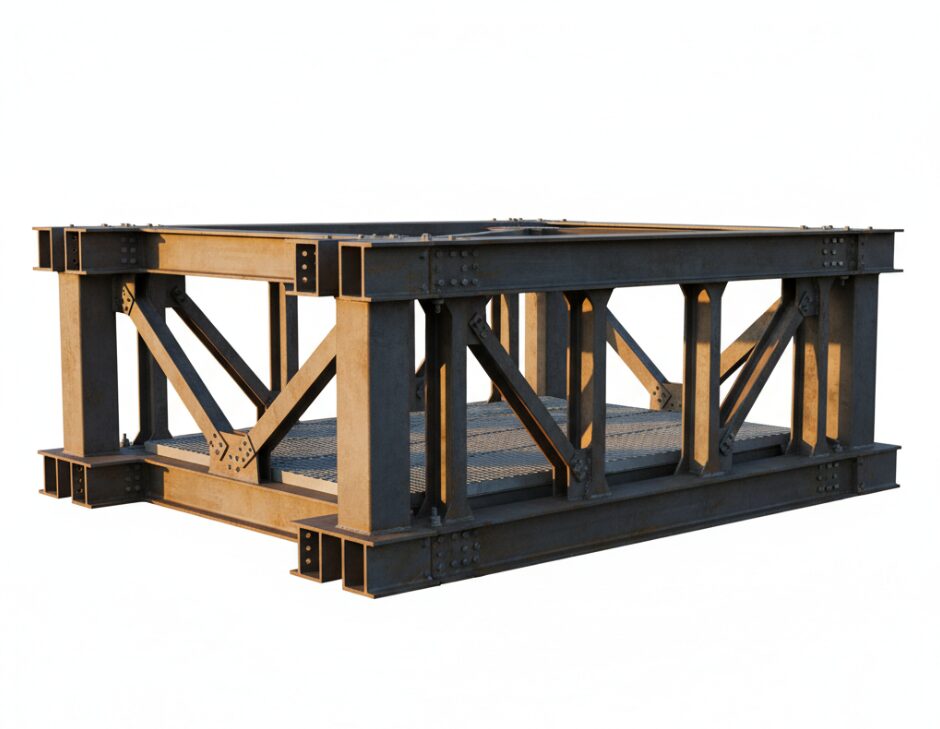

Compared with traditional cast-in-place concrete bridges, prefabricated steel bridges are produced by factory prefabrication. Only simple bolt connection or hoisting is required on site, and the main structure can be erected within 1-3 days, the overall project cycle is shortened by 40%-60%, and the interference to traffic and surrounding environment is significantly reduced.
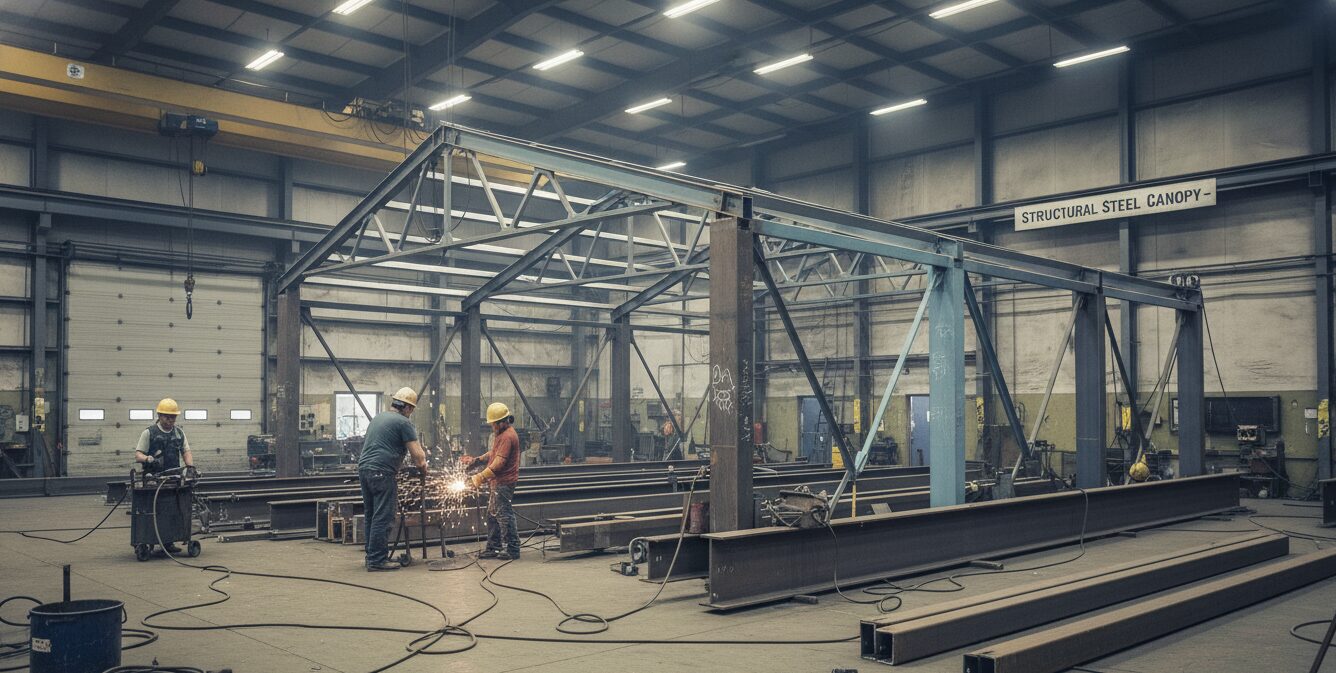
All steel components are manufactured in a controlled factory environment with cutting and drilling accuracy within ± 1mm. This high-precision processing eliminates the common assembly errors in on-site construction, ensures that the stress distribution at the bridge splicing is uniform, and the fatigue strength is more than 30% higher than that of the on-site welded structure.
The main structure is made of ASTM A709-50W weathering steel or hot dip galvanized (coating thickness ≥ 85μm). After being exposed to the atmosphere, the surface of weathering steel forms a dense oxidation protective layer, which not only eliminates the cost of regular painting maintenance, but also ensures a service life of more than 100 years in coastal or high humidity environments.
The self-weight of Prefabricated steel bridges is only 1/3 to 1/2 of that of a concrete bridge of the same span. The lighter superstructure weight significantly reduces the load requirements of the abutment and foundation, allowing the use of a smaller size shallow foundation or reducing the depth of the pile foundation, thereby saving the foundation engineering budget by about 20%-30%.
Through the optimized combination of truss or beam structures, a single span span can cover more than 20 feet (6m) to 300 feet (90m) without the need for intermediate piers. This design is especially suitable for the construction of deep valleys, rivers or existing highway overpasses, avoiding complicated cofferdam construction.
As a permanently recyclable material, steel can be recycled by 100 percent after the bridge is decommissioned. In addition, the modular design supports non-destructive disassembly and off-site reorganization, which is suitable for temporary temporary bridges or emergency disaster relief channels. Compared with concrete construction waste, carbon emissions are reduced by more than 65%.
| Core parameters | Specifications |
| Product Name | Prefabricated Steel Bridges |
| Structural form | Warren trusses, Pratt trusses, steel plate beams |
| Standard span range | 6m – 90m (Clear Span), unlimited multi-span connections |
| lane width | Single-lane (3.5m) to multi-lane (12m+), with support for customized sidewalks. |
| Main steel grades | ASTM A709 Grade 50W (weathering steel), Grade 36, Grade 50 |
| Design load standard | AASHTO HL-93, HS-20, HS-25, Eurocode LM1 |
| Anti-corrosion treatment | Hot-dip galvanized (ASTM A123), three-coat paint system, or bare weathering steel. |
| Connection method | High-strength friction bolt connection (ASTM F3125 Grade A325/A490) |
| Bridge deck system | Precast concrete panels, orthotropic steel bridge decks, anti-slip grating |
| Design life | ≥ 100 years |
| Manufacturing tolerances | Compliant with AWS D1.5 Bridge Welding Code standard |
With industrial production and lightweight characteristics, Wedospace’s prefabricated steel bridges has significant advantages in construction efficiency and life cycle cost compared with traditional cast-in-place reinforced concrete bridges.
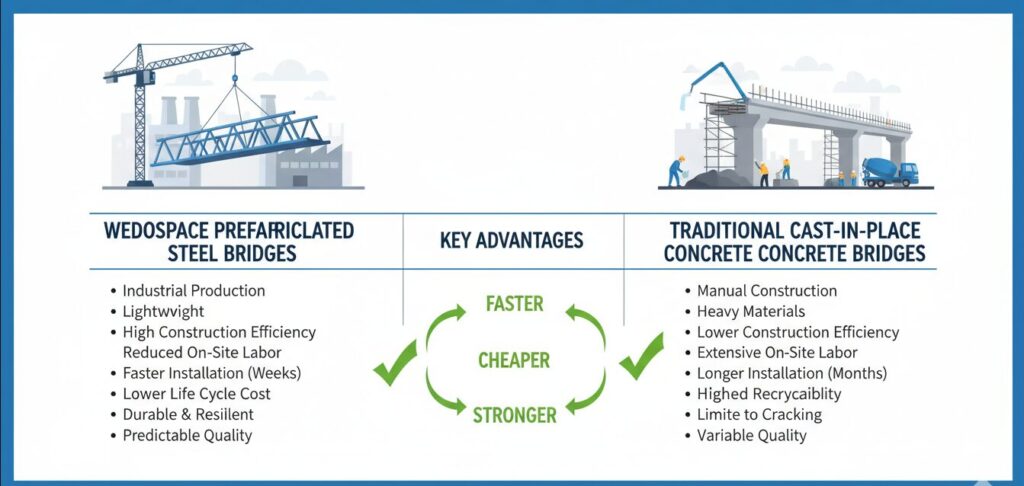

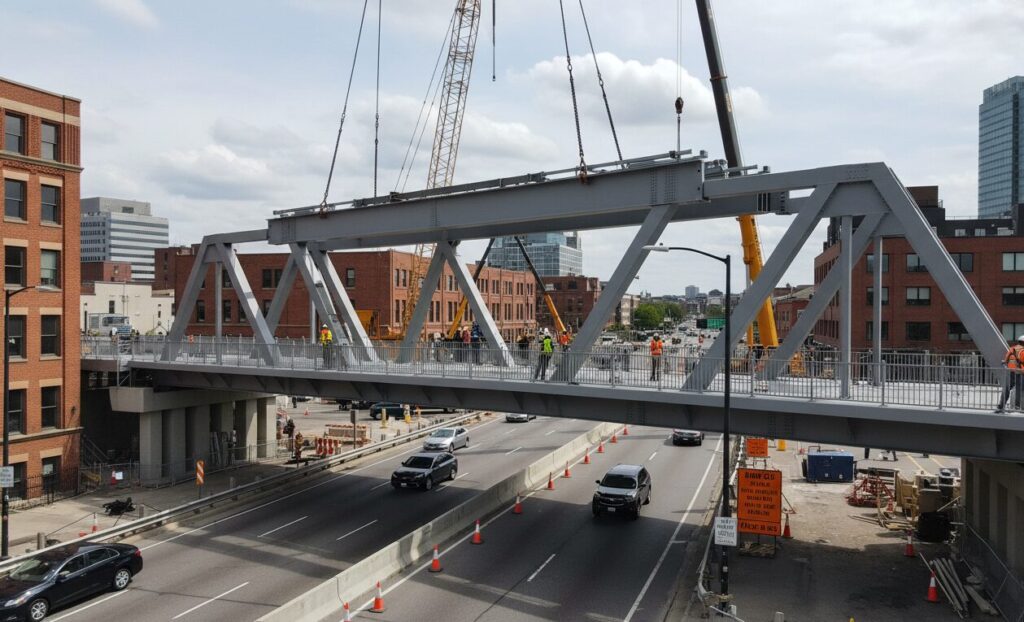
For bridge replacement projects on busy roads or key transportation hubs, the prefabricated steel bridges solves the problem that traditional cast-in-place concrete bridges need to close the road for months and wait for maintenance. Through night hoisting or sliding jacking construction, the road closure time can be reduced to less than 48 hours, which greatly alleviates the social cost caused by traffic congestion.
For remote projects in mountainous areas, forest areas or lack of concrete mixing plants, the problem of substandard concrete strength caused by temperature, humidity and raw material transportation restrictions for on-site pouring is solved. The prefabricated steel bridge is manufactured and tested under the constant temperature and humidity environment of the factory, and only needs to be assembled when delivered to the site, ensuring the consistency of structural strength and engineering quality.
For the construction of infrastructure in swamps, tidal flats or soft soil areas, the problem of budget overruns caused by the need for deep pile foundation support for heavy concrete bridges is solved. Due to the light weight of the steel bridge, the requirements for the bearing capacity of the foundation can be greatly reduced, allowing the use of micro-piles or extended foundations, significantly reducing the risk and investment of concealed works.
It is suitable for the rapid upgrading of urban overpass, pedestrian overpass and rural highway bridge. Such customers are concerned about long-term maintenance costs and traffic diversion during construction, Prefabricated the rapid erection of steel bridges meets their needs to minimize public disturbance.
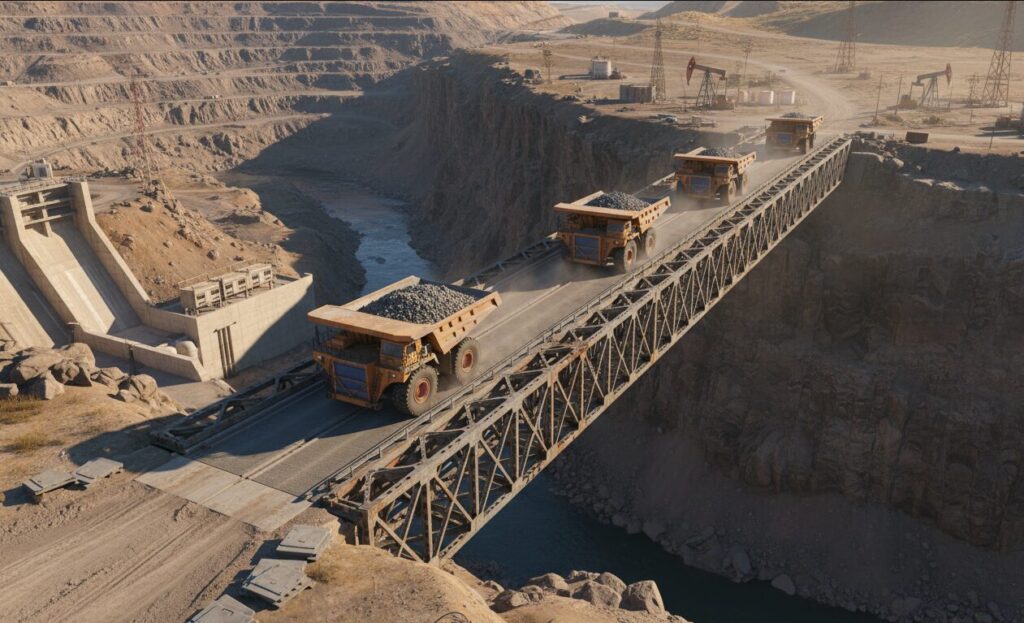
It is applicable to transportation roads in mining areas, access roads for oil fields and access roads for hydropower station construction. For the high axle load requirements of heavy mining cards (such as dump trucks over 100 tons), steel bridges can be customized with reinforced structures and have asset reuse value for disassembly and relocation due to changes in the mining area.
Suitable for water system spans connecting residential areas, resort islands or golf courses. This type of customer focus on landscape aesthetics and the degree of environmental damage caused by construction. The natural rust red appearance of weathering steel can be integrated into the natural landscape without the need for heavy machinery to damage vegetation.

It is suitable for emergency repair or construction of combat readiness passage after flood and earthquake destroy bridge. Modular prefabricated steel bridges (such as Bailey beam derivatives) can be stored in warehouses, transported by truck or helicopter after a disaster, and quickly assembled and opened to traffic by manpower or light equipment without professional power equipment.
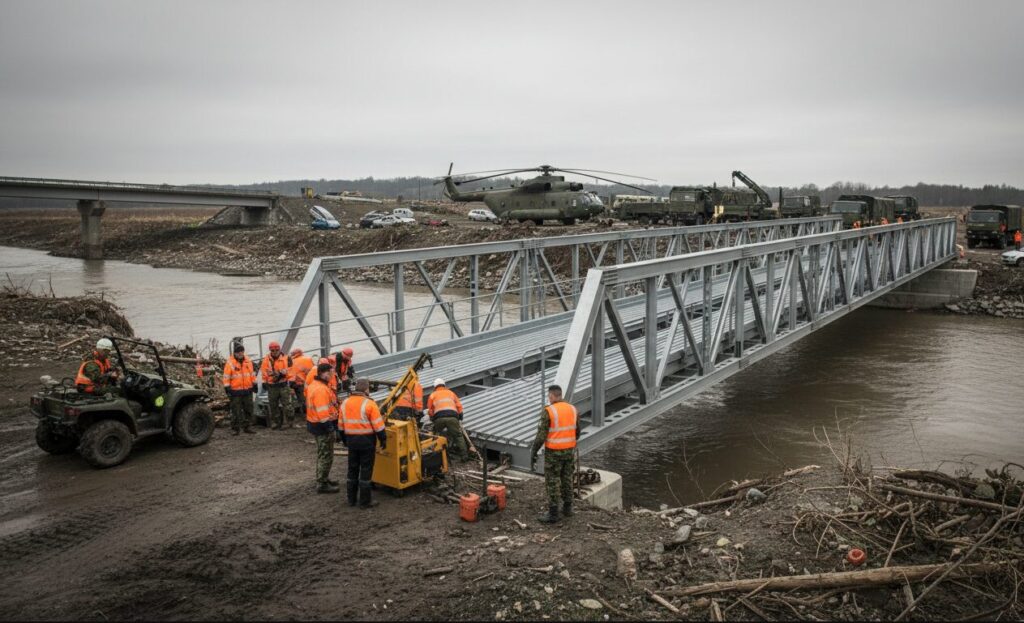

Pour concrete abutments or install steel pile caps according to the supplied load counterforce diagram paper. Ensure that the elevation error of the support cushion stone is controlled within ± 5mm, and the anchor bolt hole position is reserved. The concrete strength must reach more than 75% of the design value before the beam can be erected.

Unload the steel members at the side of the bridge site. The main truss, cross beam and horizontal joint shall be assembled on the ground with high strength bolts according to the numbered drawings. It is recommended to use a torque wrench for final tightening at 100% of the specified torque value, and it is strictly prohibited to strike and correct the hole position.

For bridges with small span (<30m), large-tonnage truck cranes are used to directly hoist them in place. For canyons with large span or where hoisting platforms cannot be established, the cantilever pushing method guided by nose frame (Cantilever Launching) is adopted, and the bridge is smoothly pushed to the opposite abutment by rollers.

After the main structure is in place, install the prefabricated bridge deck or lay the steel grating. Guardrails, expansion joints and drainage systems will then be installed. Before opening to traffic, a detailed check of the connecting nodes must be carried out to ensure that all temporary supports have been removed and the bearings are working properly.
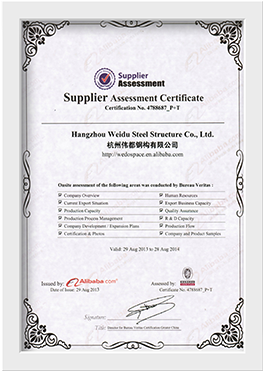
certificate
Welcome to our Frequently Asked Questions page. We have compiled answers to common questions you may have, hoping to provide you with clear and quick solutions. If you cannot find the information you need here, please feel free to contact our customer support team.
Wedospace uses modular factory prefabrication process, supports accelerated bridge construction technology.The on-site installation time is reduced by more than 50%, the design life is more than 100 years, and it fully meets the HL-93 and Eurocode load standards,and supports for bulk purchases.
Material
ASTM A709-50W
Span
6 meters to 90 meters optional
Loads
AASHTO HL-93

Compared with traditional cast-in-place concrete bridges, prefabricated steel bridges are produced by factory prefabrication. Only simple bolt connection or hoisting is required on site, and the main structure can be erected within 1-3 days, the overall project cycle is shortened by 40%-60%, and the interference to traffic and surrounding environment is significantly reduced.
All steel components are manufactured in a controlled factory environment with cutting and drilling accuracy within ± 1mm. This high-precision processing eliminates the common assembly errors in on-site construction, ensures that the stress distribution at the bridge splicing is uniform, and the fatigue strength is more than 30% higher than that of the on-site welded structure.
The main structure is made of ASTM A709-50W weathering steel or hot dip galvanized (coating thickness ≥ 85μm). After being exposed to the atmosphere, the surface of weathering steel forms a dense oxidation protective layer, which not only eliminates the cost of regular painting maintenance, but also ensures a service life of more than 100 years in coastal or high humidity environments.
The self-weight of Prefabricated steel bridges is only 1/3 to 1/2 of that of a concrete bridge of the same span. The lighter superstructure weight significantly reduces the load requirements of the abutment and foundation, allowing the use of a smaller size shallow foundation or reducing the depth of the pile foundation, thereby saving the foundation engineering budget by about 20%-30%.
Through the optimized combination of truss or beam structures, a single span span can cover more than 20 feet (6m) to 300 feet (90m) without the need for intermediate piers. This design is especially suitable for the construction of deep valleys, rivers or existing highway overpasses, avoiding complicated cofferdam construction.
As a permanently recyclable material, steel can be recycled by 100 percent after the bridge is decommissioned. In addition, the modular design supports non-destructive disassembly and off-site reorganization, which is suitable for temporary temporary bridges or emergency disaster relief channels. Compared with concrete construction waste, carbon emissions are reduced by more than 65%.
| Core parameters | Specifications |
| Product Name | Prefabricated Steel Bridges |
| Structural form | Warren trusses, Pratt trusses, steel plate beams |
| Standard span range | 6m – 90m (Clear Span), unlimited multi-span connections |
| lane width | Single-lane (3.5m) to multi-lane (12m+), with support for customized sidewalks. |
| Main steel grades | ASTM A709 Grade 50W (weathering steel), Grade 36, Grade 50 |
| Design load standard | AASHTO HL-93, HS-20, HS-25, Eurocode LM1 |
| Anti-corrosion treatment | Hot-dip galvanized (ASTM A123), three-coat paint system, or bare weathering steel. |
| Connection method | High-strength friction bolt connection (ASTM F3125 Grade A325/A490) |
| Bridge deck system | Precast concrete panels, orthotropic steel bridge decks, anti-slip grating |
| Design life | ≥ 100 years |
| Manufacturing tolerances | Compliant with AWS D1.5 Bridge Welding Code standard |
For bridge replacement projects on busy roads or key transportation hubs, the prefabricated steel bridges solves the problem that traditional cast-in-place concrete bridges need to close the road for months and wait for maintenance. Through night hoisting or sliding jacking construction, the road closure time can be reduced to less than 48 hours, which greatly alleviates the social cost caused by traffic congestion.
For remote projects in mountainous areas, forest areas or lack of concrete mixing plants, the problem of substandard concrete strength caused by temperature, humidity and raw material transportation restrictions for on-site pouring is solved. The prefabricated steel bridge is manufactured and tested under the constant temperature and humidity environment of the factory, and only needs to be assembled when delivered to the site, ensuring the consistency of structural strength and engineering quality.
For the construction of infrastructure in swamps, tidal flats or soft soil areas, the problem of budget overruns caused by the need for deep pile foundation support for heavy concrete bridges is solved. Due to the light weight of the steel bridge, the requirements for the bearing capacity of the foundation can be greatly reduced, allowing the use of micro-piles or extended foundations, significantly reducing the risk and investment of concealed works.
It is suitable for the rapid upgrading of urban overpass, pedestrian overpass and rural highway bridge. Such customers are concerned about long-term maintenance costs and traffic diversion during construction, Prefabricated the rapid erection of steel bridges meets their needs to minimize public disturbance.
It is applicable to transportation roads in mining areas, access roads for oil fields and access roads for hydropower station construction. For the high axle load requirements of heavy mining cards (such as dump trucks over 100 tons), steel bridges can be customized with reinforced structures and have asset reuse value for disassembly and relocation due to changes in the mining area.
Suitable for water system spans connecting residential areas, resort islands or golf courses. This type of customer focus on landscape aesthetics and the degree of environmental damage caused by construction. The natural rust red appearance of weathering steel can be integrated into the natural landscape without the need for heavy machinery to damage vegetation.
It is suitable for emergency repair or construction of combat readiness passage after flood and earthquake destroy bridge. Modular prefabricated steel bridges (such as Bailey beam derivatives) can be stored in warehouses, transported by truck or helicopter after a disaster, and quickly assembled and opened to traffic by manpower or light equipment without professional power equipment.
Pour concrete abutments or install steel pile caps according to the supplied load counterforce diagram paper. Ensure that the elevation error of the support cushion stone is controlled within ± 5mm, and the anchor bolt hole position is reserved. The concrete strength must reach more than 75% of the design value before the beam can be erected.
Unload the steel members at the side of the bridge site. The main truss, cross beam and horizontal joint shall be assembled on the ground with high strength bolts according to the numbered drawings. It is recommended to use a torque wrench for final tightening at 100% of the specified torque value, and it is strictly prohibited to strike and correct the hole position.
For bridges with small span (<30m), large-tonnage truck cranes are used to directly hoist them in place. For canyons with large span or where hoisting platforms cannot be established, the cantilever pushing method guided by nose frame (Cantilever Launching) is adopted, and the bridge is smoothly pushed to the opposite abutment by rollers.
After the main structure is in place, install the prefabricated bridge deck or lay the steel grating. Guardrails, expansion joints and drainage systems will then be installed. Before opening to traffic, a detailed check of the connecting nodes must be carried out to ensure that all temporary supports have been removed and the bearings are working properly.